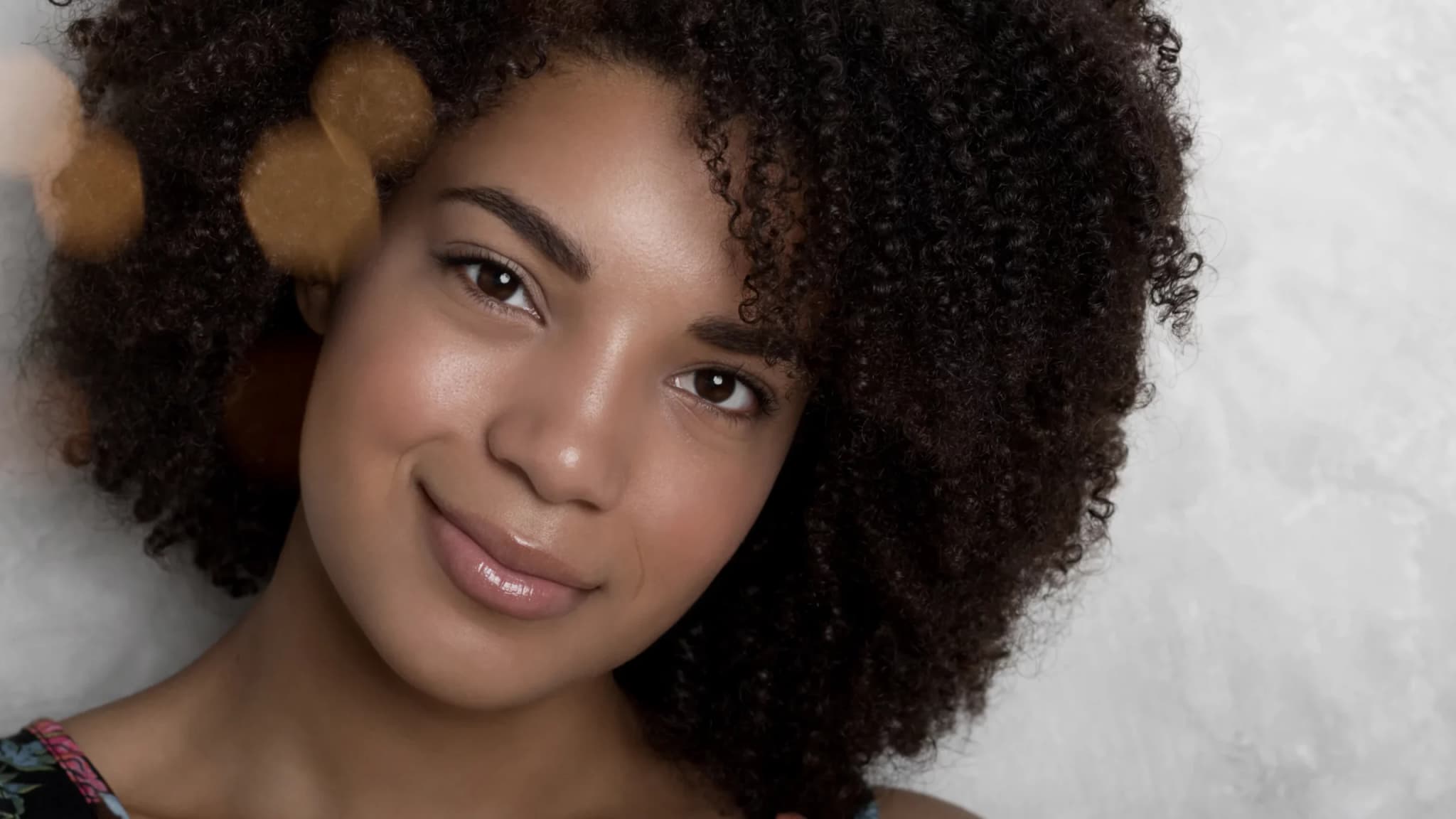
Most routines that "stop working" never worked; they lost a step. Hair comes out of the shower soaked, sits in a towel for twenty minutes while you find the leave-in, and by the time anything goes on it the water it needed is already gone. The products then get blamed for a timing problem.
This is the routine end to end, in the order the steps actually depend on each other, with the two or three places it usually breaks called out as they come up. It is written for coils, curls and waves alike — the sequence does not change by pattern, only the amount of product and the time each step takes. If you want the per-pattern version, the curl type chart splits it six ways from 3A to 4C.
Start at the scalp, not the ends
Wash day starts with getting the scalp genuinely clean, because product sitting on the scalp is the thing that makes the next wash day worse. Work shampoo into the scalp in sections with fingertips or a scalp brush, and let the runoff do the lengths — the ends do not need to be scrubbed, and scrubbing is where the damage happens.

A brush is not required for this. Fingertips work; what a scalp brush changes is that it reaches through dense hair without you having to pull sections apart to get at the skin underneath. If your hair is fine or low density, you may find fingertips easier to control — hair density is the thing that decides which is more comfortable, not curl pattern.
Condition on wet hair, and give it something to grip
Rinse the shampoo, then apply conditioner while the hair is still running with water. Not towel-dried. Not "patted". The conditioner's job is to coat strands that are already full of water so the water has something holding it there, and conditioner applied to damp hair coats less of it.
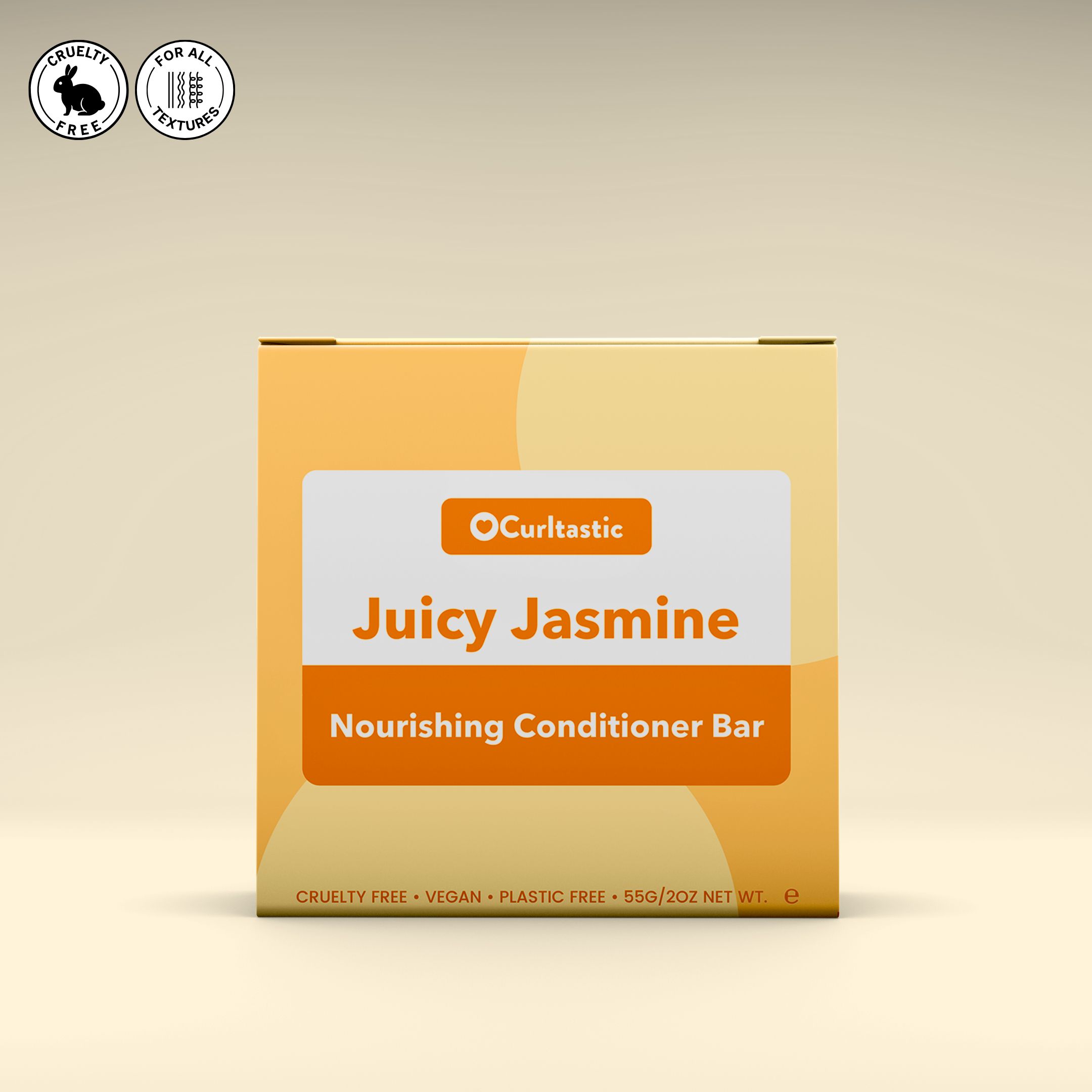 Juicy Jasmine: Nourishing Conditioner Bar
Work it in section by section. This is also the point at which hair is at its most slippery, which is why the next step belongs here and not before the shower.
Detangle now, in the shower, with conditioner still in
This is the step people move, and moving it is expensive. Hair is at its strongest against pulling when it is soaked and coated; detangling dry, or after towelling, is where most people lose the length they have been growing.
Start at the ends and work up in short passes. If a knot resists twice, stop pulling on it, add more conditioner or water and come back to it — the tangle that will not move is the one that breaks. For the longer version of this step, including matted hair and how often to do it, see detangling natural hair.
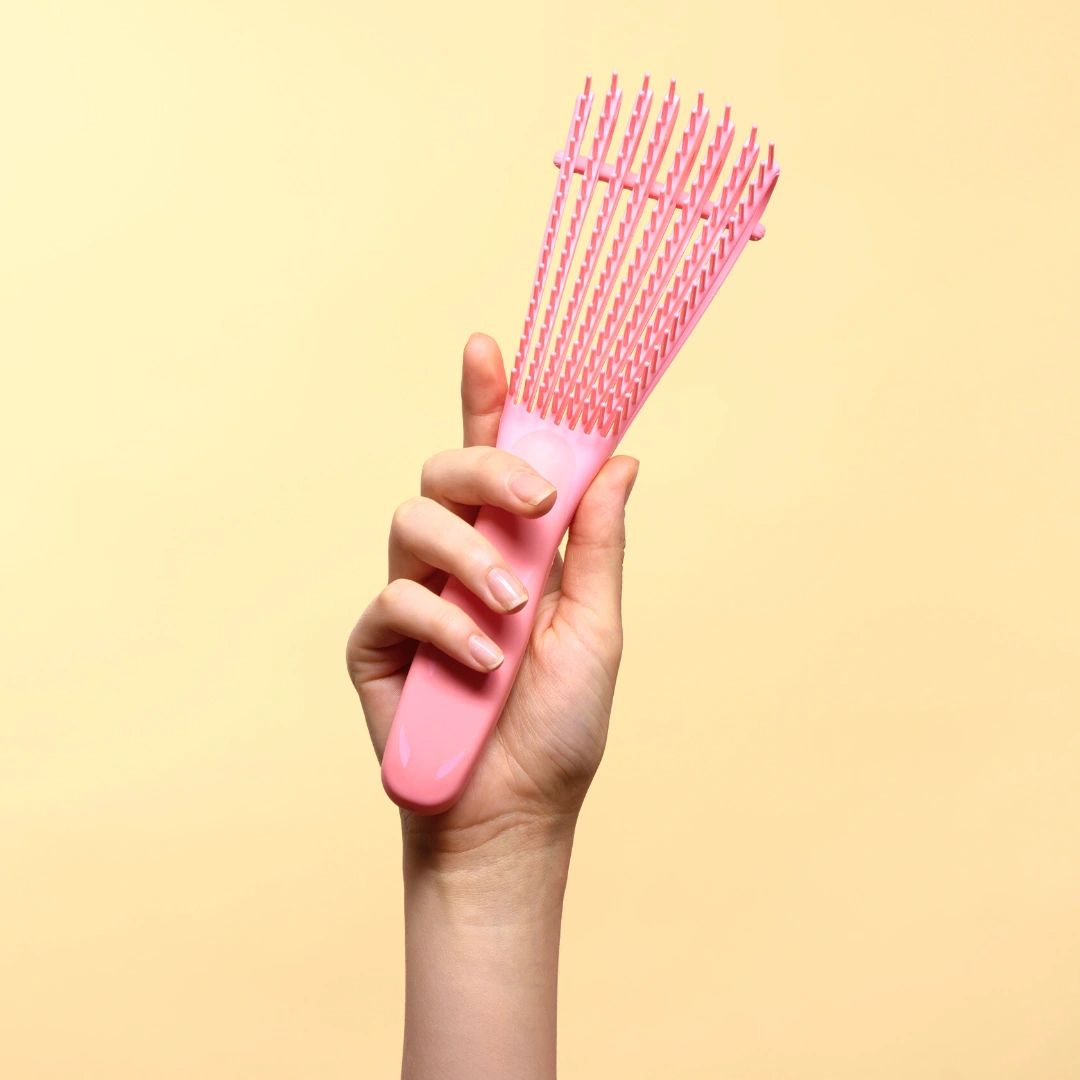 The Wonderbrush™ - Easy Detangler Brush
Get water out without taking the shape with it
Rinse, then squeeze — do not rub. A terry towel drags at a cuticle that is still open, and a good share of the frizz that turns up afterwards is more likely that drag than the weather it usually gets blamed on. Squeeze the length in a microfiber towel or an old cotton T-shirt, then leave it alone.
Seal while it is still wet — this is the window
Everything above buys you a few minutes of genuinely wet hair, and this is what you spend them on. Leave-in, cream, oil, gel — whatever your order is, it goes on now, on hair that is still dripping-to-wet rather than damp. Sealing damp hair seals in the water that is left, which is less than you started with.
If your hair dries faster than you can work, refresh sections with water from a spray bottle as you go rather than racing.
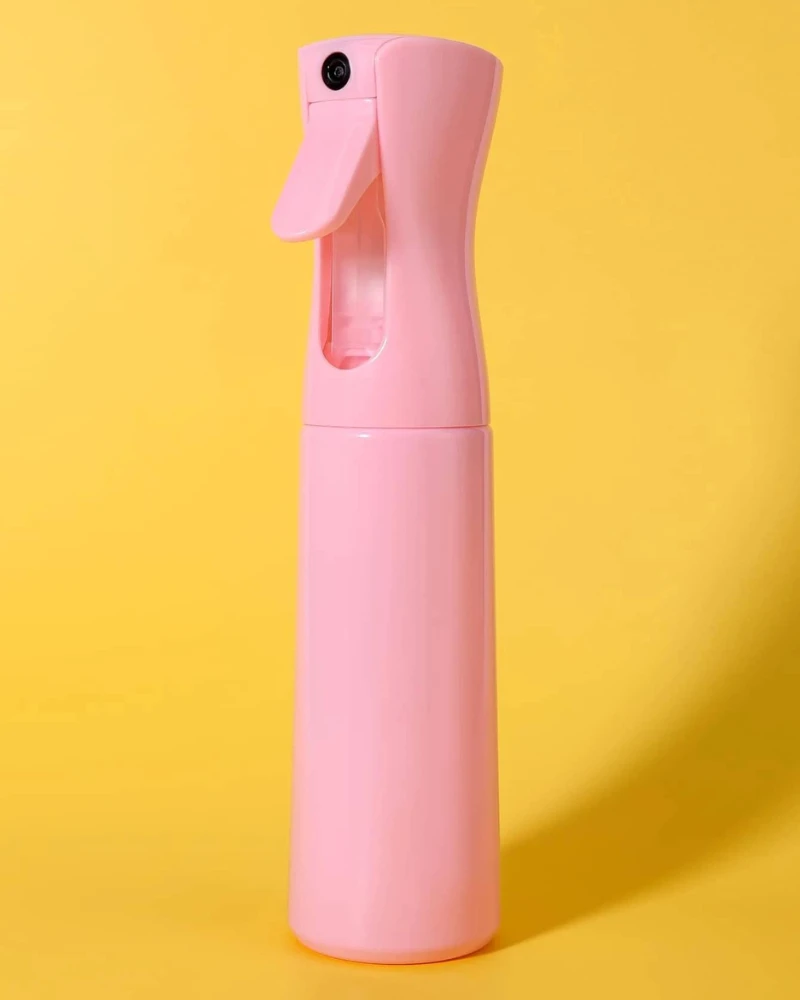 Fine Mist Spray Bottle 300ML
The routine, start to finish
Less once the sequence is habit and the steps stop needing thought.
Time: 1 hr.
- Wash the scalp in sectionsWork shampoo into the scalp with fingertips or a scalp brush, section by section. Let the runoff clean the lengths rather than scrubbing the ends.
- Apply conditioner to soaking-wet hairRinse, then condition while hair is still running with water — not towel-dried. Work through section by section.
- Detangle with the conditioner still inStart at the ends and work up in short passes. If a knot resists twice, add more conditioner or water and come back to it instead of pulling.
- Rinse and squeeze, do not rubSqueeze the length into a microfiber towel or a cotton T-shirt. Rubbing with a terry towel is a likelier source of next-day frizz than the humidity that usually gets blamed for it.
- Seal while hair is still wetLeave-in, cream, oil or gel in your usual order, within the first few minutes, while the hair is still wet rather than damp. Mist sections with water if they dry ahead of you.
- Protect it overnightSleep on satin or silk, or in a bonnet. Cotton is more absorbent and grips more than satin does, so it tends to take moisture back out of hair and rough up what you set.
What to do between wash days
The routine above is the reset. Between resets, the work is not repeating it — it is not undoing it.
- Sleep protected. A satin or silk surface, every night. This is the single highest-return habit between wash days and it costs nothing to do once you own the thing.
- Refresh with water, not more product. A mist and reshaping beats another layer of cream on top of yesterday's.
- Keep heat occasional rather than routine. Heat is not forbidden, but it is the one input that changes hair permanently rather than temporarily. If you want curls without it, heatless rods and rollers set on damp hair overnight are the straightforward substitute.
Where this routine does not apply
Two honest exceptions, because a routine that claims to suit everyone suits nobody in particular.
If your hair is limp, coated and dull rather than dry, adding steps is likely to make it worse. The symptoms of over-conditioned hair and of under-moisturised hair read almost identically from the outside — both are limp and both look sad — and the fix is opposite. If more product has been making things worse for a month, strip it back to shampoo, one conditioner and nothing else for two or three wash days and see which direction it moves.
If you are shedding noticeably more than usual, or your scalp is sore, flaking persistently or inflamed, this is not a routine problem. No wash-day sequence addresses that and nothing here should be read as treatment. See a doctor or a trichologist.
Where it fits with the rest
- Growing it out and want the length to survive the routine: how to grow natural hair.
- Coming off relaxer and running two textures at once: transitioning to natural hair.
- Brushing technique specifically, wet and dry: how to brush curly hair.