Curl types
Curly hair types, 3A to 4C
One chart, six patterns, and what each one actually changes.
The curl chart is a shorthand, not a diagnosis. A number for the family your hair belongs to — 1 straight, 2 wavy, 3 curly, 4 coily — and a letter for how tight the pattern runs inside that family. This page covers 3A through 4C: what a single strand of each looks like, what separates it from the pattern either side of it, and how to work out in about two minutes which one you are looking at.
- Free US shipping over $35No code needed — checkout applies it.
- 60-day money-back guaranteeFull refund, no photos, no restocking fee. US return shipping is on us.
- Every order ships trackedFollow it by email — no account needed.
- Black-owned, family-runFormulated by and for textured hair
- No sulfates, silicones or parabensFull INCI list on every label
What the chart measures, and what it does not
The system in common use came from Andre Walker, Oprah Winfrey's stylist, in the 1990s, and it was built as a way for professionals to describe hair to each other quickly on a set. That origin explains both its usefulness and its limits. It is a vocabulary for the shape of a strand, and nothing else.
The number is the family: type 1 straight, type 2 waves, type 3 curls, type 4 coils. The letter is how tight the pattern runs within that family, with A the loosest and C the tightest. So 3A and 4A are both the loosest members of their family and they behave nothing alike, because the family is the bigger difference by a distance.
What the chart does not measure matters at least as much. It says nothing about porosity, which is how readily the cuticle lets water in and out. Nothing about density, which is how many strands you have per square inch of scalp. Nothing about the width of an individual hair. Two people can both be 4A and need opposite routines because one has fine, densely packed hair and the other coarse and sparse. Treat the letter as the first question you ask, never the last.
It is also completely normal to carry more than one pattern on one head. Crown, nape and hairline commonly differ, and the front usually reads looser than the back simply because it is handled more. Type the section that gives you the most trouble, not the one that photographs best.
Where type 3 and type 4 part company
The dividing line is geometry rather than tightness. A type 3 strand is a spiral: it curves continuously, closes on itself, and holds a recognisable loop that you can see without stretching anything. A type 4 strand at its tightest does not curve so much as change direction — it travels straight for a short run, turns a corner, and travels again. That is why 4B and 4C get described as Z-patterned rather than S-patterned.
That single difference decides most of what follows. A curve spreads tension along its length, so a spiral stretches before it breaks. A corner concentrates the same tension at a point, so an angular strand snaps at the bend. The same geometry decides moisture: a closed loop gives water and conditioner a wall to sit against, while a straight run between two corners gives them nothing to hold on to. Nearly everything people say about type 4 hair being drier and more fragile follows from those two sentences.
4A sits exactly on the line. It is a coil by family and an S by shape — the last pattern with a properly closed loop — which is why it can behave like a tighter 3C on a good day and like 4B on a bad one.
What this chart will not tell you
First, nobody has counted. You will find pages ranking the patterns by rarity, and not one of them is drawing on a population survey, because no such survey exists. If a page tells you your pattern is the rarest, it is guessing, and it is usually guessing in order to sell you something.
Second, this chart starts at 3A. Type 2 waves are a real pattern and they are not written up here, because this shop is not built around them and a page pretending otherwise would be padding. A good deal of what is on these six pages still applies to a 2C — the comb, the towel, the order of operations — but it was written for hair tighter than yours, and you should read it that way.
And one more thing, which is not about the chart at all. Everything on these seven pages is about technique and tools, and there are causes of persistent breakage, thinning or shedding that no technique and no tool will reach — scalp conditions, medication, illness, and hormonal or nutritional changes among them. If your hair is breaking off or coming out in a way that is not improving after a few months of gentler handling, that is worth taking to a doctor or a trichologist rather than to another product.
The chart, 3A to 4C
Six rows. Compare a single dry strand, taken from the middle of the back of your head, against the description in the second column.
| Pattern | One strand looks like | Roughly this wide | What it changes |
|---|---|---|---|
| 3A hair — loose spirals | A big, soft spiral that closes on itself and stands away from the scalp | Roughly the width of a piece of sidewalk chalk | Holds a pattern easily and loses it to weight. Product load is what flattens it. |
| 3B hair — ringlets | A springy ringlet with real bounce and strong curl memory | Roughly the width of a marker pen | Definition comes free. Silhouette and where the moisture goes do not. |
| 3C hair — corkscrews | A tight corkscrew, packed flush against its neighbours | Roughly the width of a pencil | Density becomes the problem. Reaching the scalp takes sectioning. |
| 4A hair — springy coils | A small, springy S-coil, clearly visible with nothing on it | Roughly the width of a crochet needle | The last closed loop on the chart. The sealing window is short. |
| 4B hair — z-pattern bends | Sharp bends rather than curves — a Z, not an S, with no closed loop | Not measured by width; the pattern is angular, not a loop | Every corner is a stress point and a hook. Tension is the whole game. |
| 4C hair — densest coils | The same angular pattern as 4B, tighter, often with no readable pattern until it is wet | Not measured by width; the pattern is angular, not a loop | Up to 75% shrinkage. Tangles hide inside sections you cannot see into. |
How to find your curl type
Five steps, one wash day, and a single strand. The whole test is about removing the things that make a pattern read looser or tighter than it is.
What you need: A piece of sidewalk chalk or a wine cork, for the widest loops, A marker pen, A pencil, A crochet needle.
- Wash, and use nothing elseShampoo, condition, rinse, and skip every leave-in, cream and gel. Product is the main thing that makes this test unreliable: a gel holds a looser pattern in a tighter shape, and a heavy cream drags a tighter one out straight.
- Air dry without touching itNo towel scrunching, no diffuser, no fingers running through it. Every touch while hair is drying either breaks a clump apart or pushes one together, and both change the answer you are about to read.
- Take one strand from the middleNot the hairline, which is handled most and reads loosest, and not the nape, which is often the tightest thing on your head. Pull one strand clear from the middle of the back section.
- Decide the shape before the widthFirst ask whether the strand curves into a closed loop or bends at angles. That puts you in type 3 or type 4, and it is much the bigger of the two decisions. If it loops, hold it against objects in descending order — sidewalk chalk or a wine cork for the widest, then a marker pen, then a pencil, then a crochet needle — and the first one that matches the loop gives you the letter. If it bends at angles instead, stop measuring: 4B and 4C are not separated by width at all, only by how much pattern is visible when the hair is dry.
- Check a second sectionDo the whole thing again somewhere else on your head. If the two answers differ by a letter, that is normal and you have not done it wrong. Work to the tighter of the two, because it is the one that will punish a routine built for the looser one.
Frequently asked questions
Works for every pattern
View all productsOne thing the chart will not tell you is which of these you need, and the honest answer is that it is largely the same set wherever you landed. The brushes, combs, bars, towels and silk below are not pattern-specific. The differences between the six pages above are differences of technique far more than they are differences of shopping list.
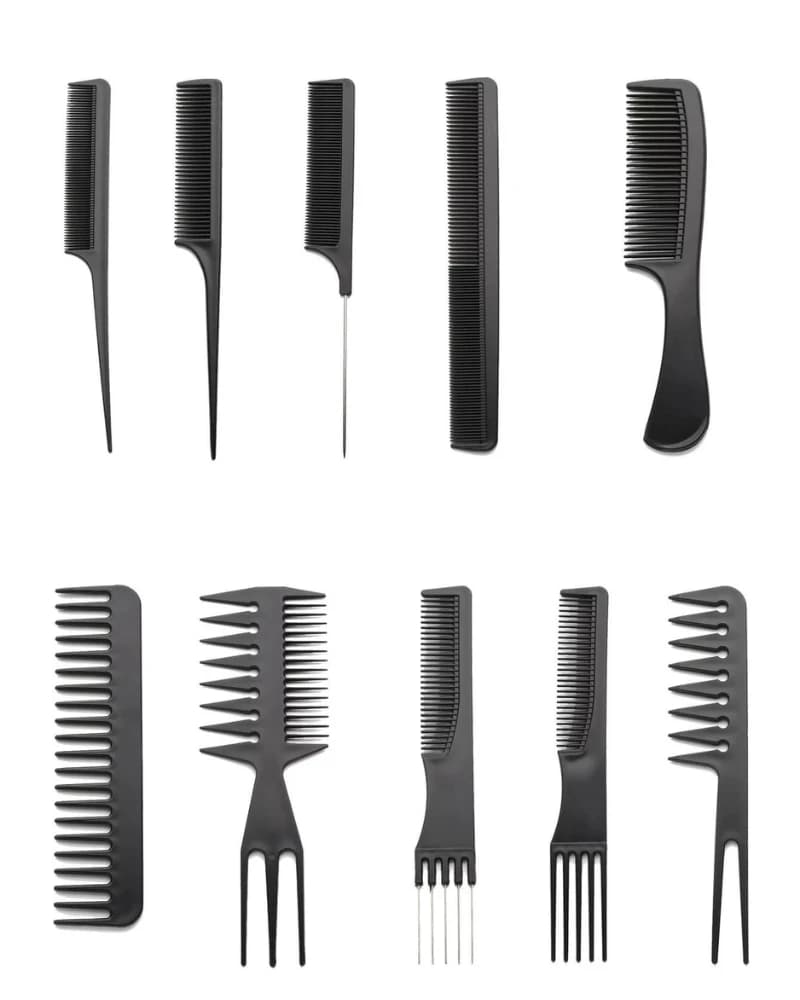
10 Piece Professional Styling Comb Set
No reviews yet
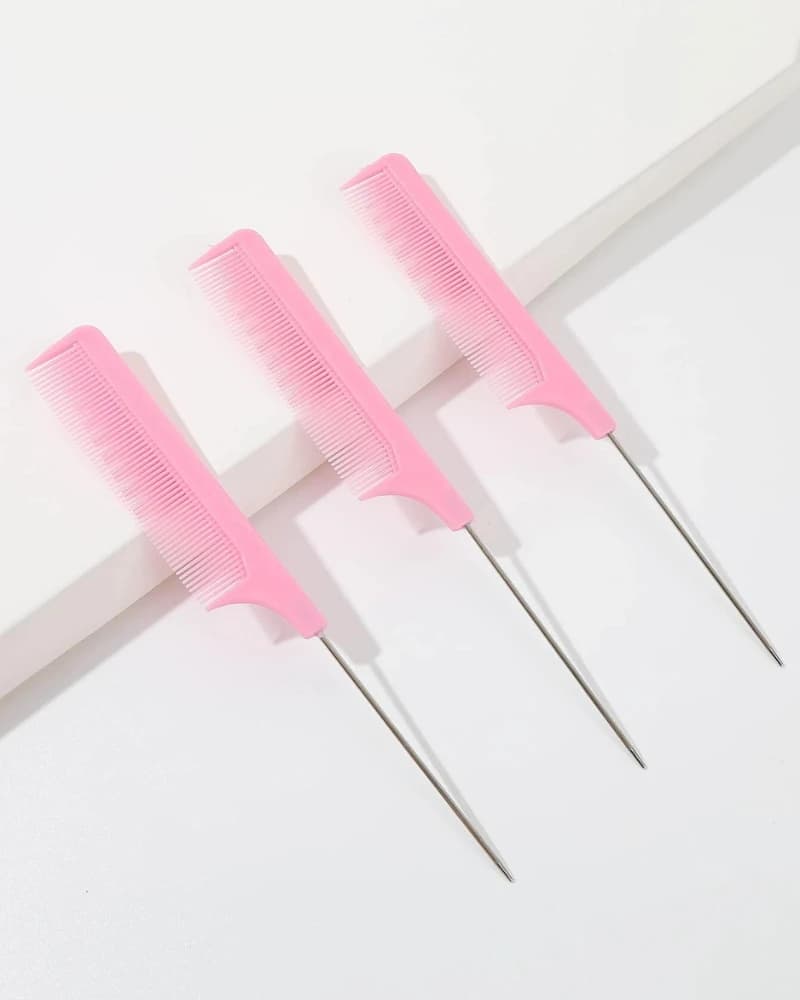
3 Pack Rat Tail Comb Set
No reviews yet
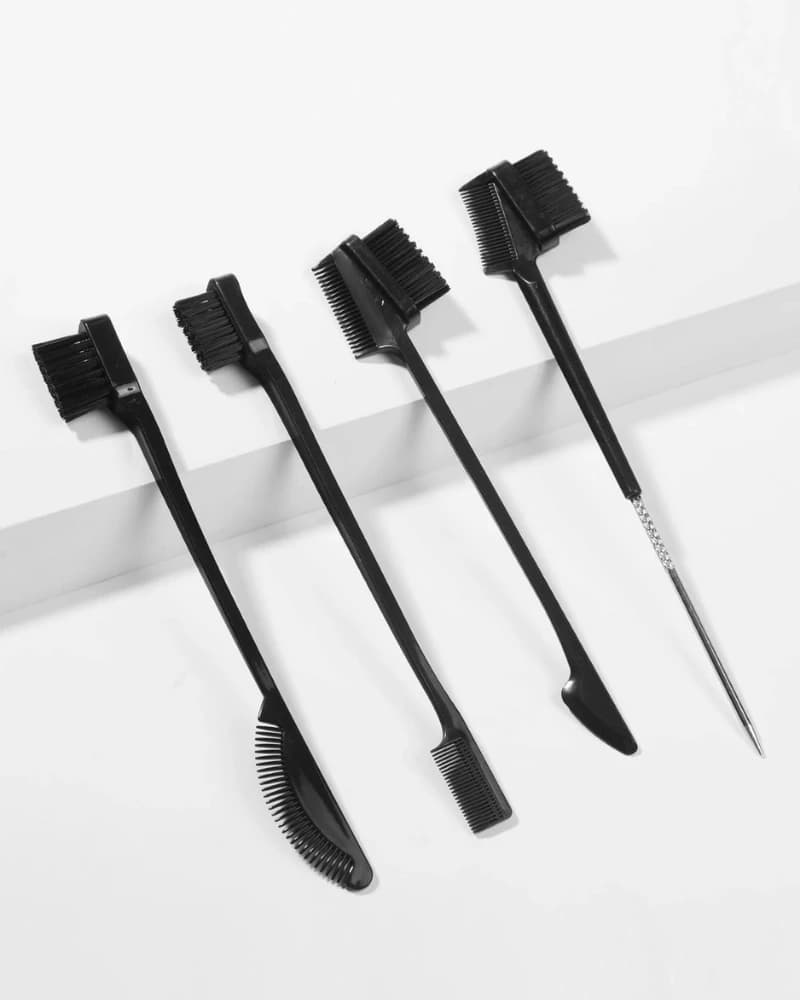
Edge Control Brush Set - 4 Pcs Double Sided
No reviews yet
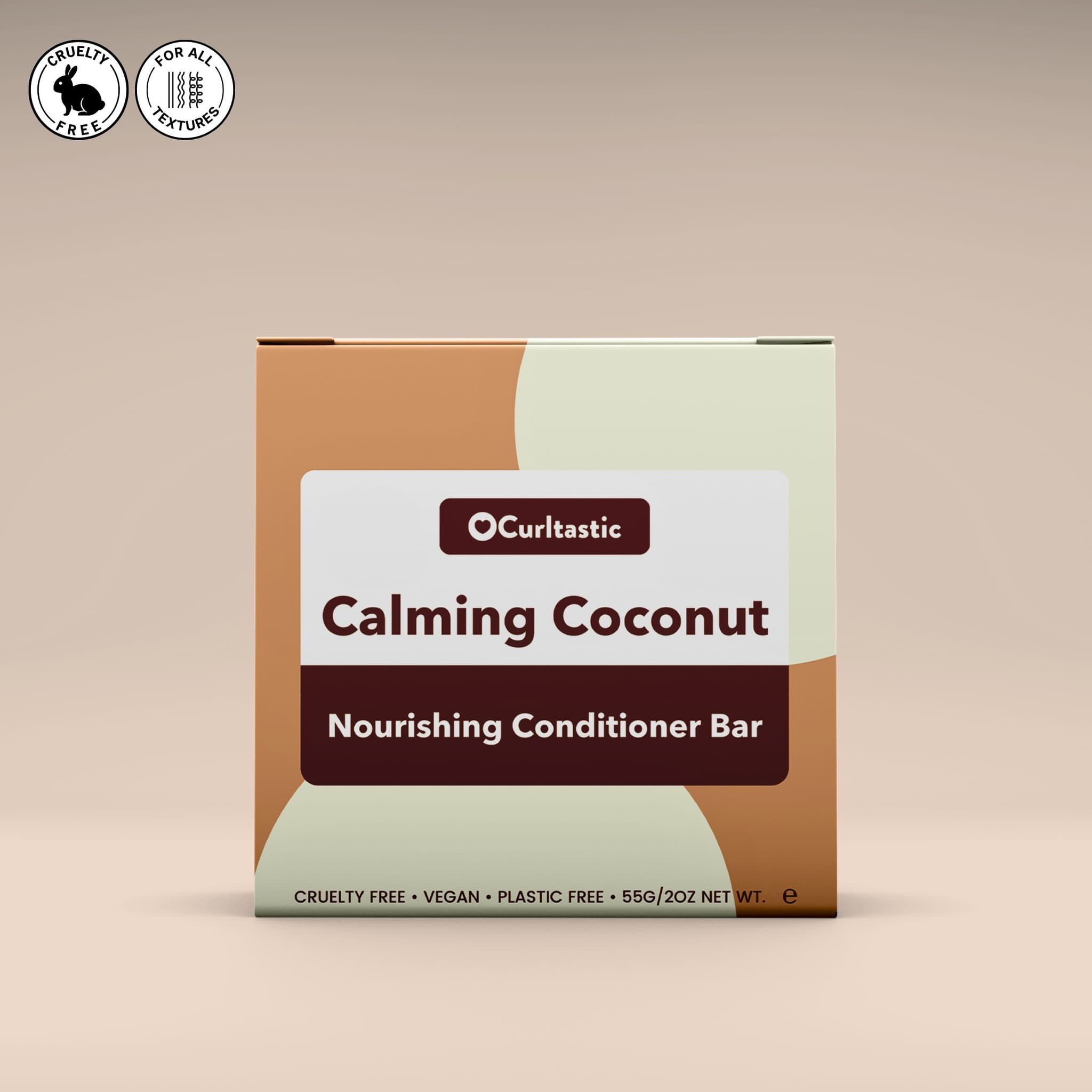
Calming Coconut: Nourishing Conditioner Bar
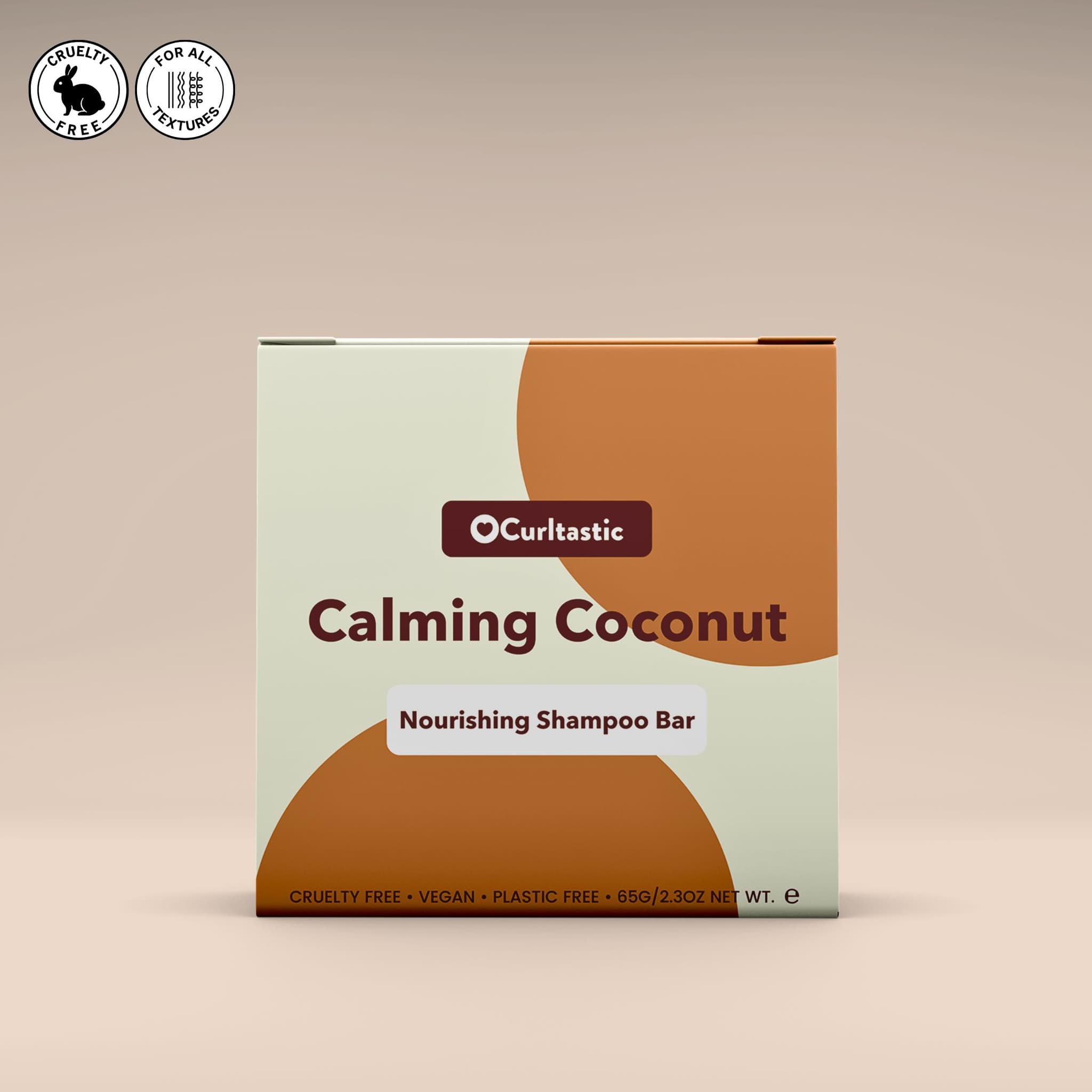
Calming Coconut: Nourishing Shampoo Bar
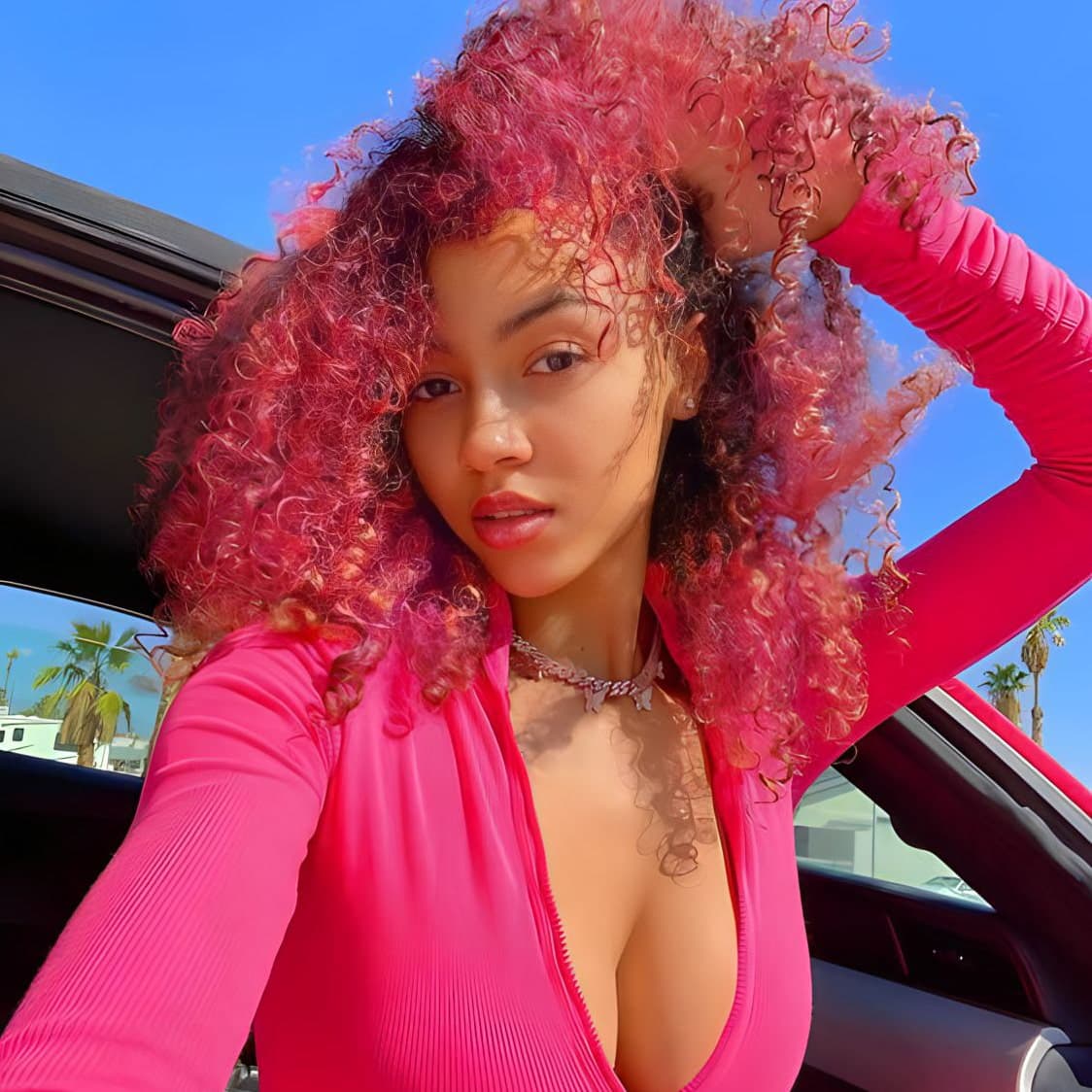
ColorCraze - Temporary Hair Color
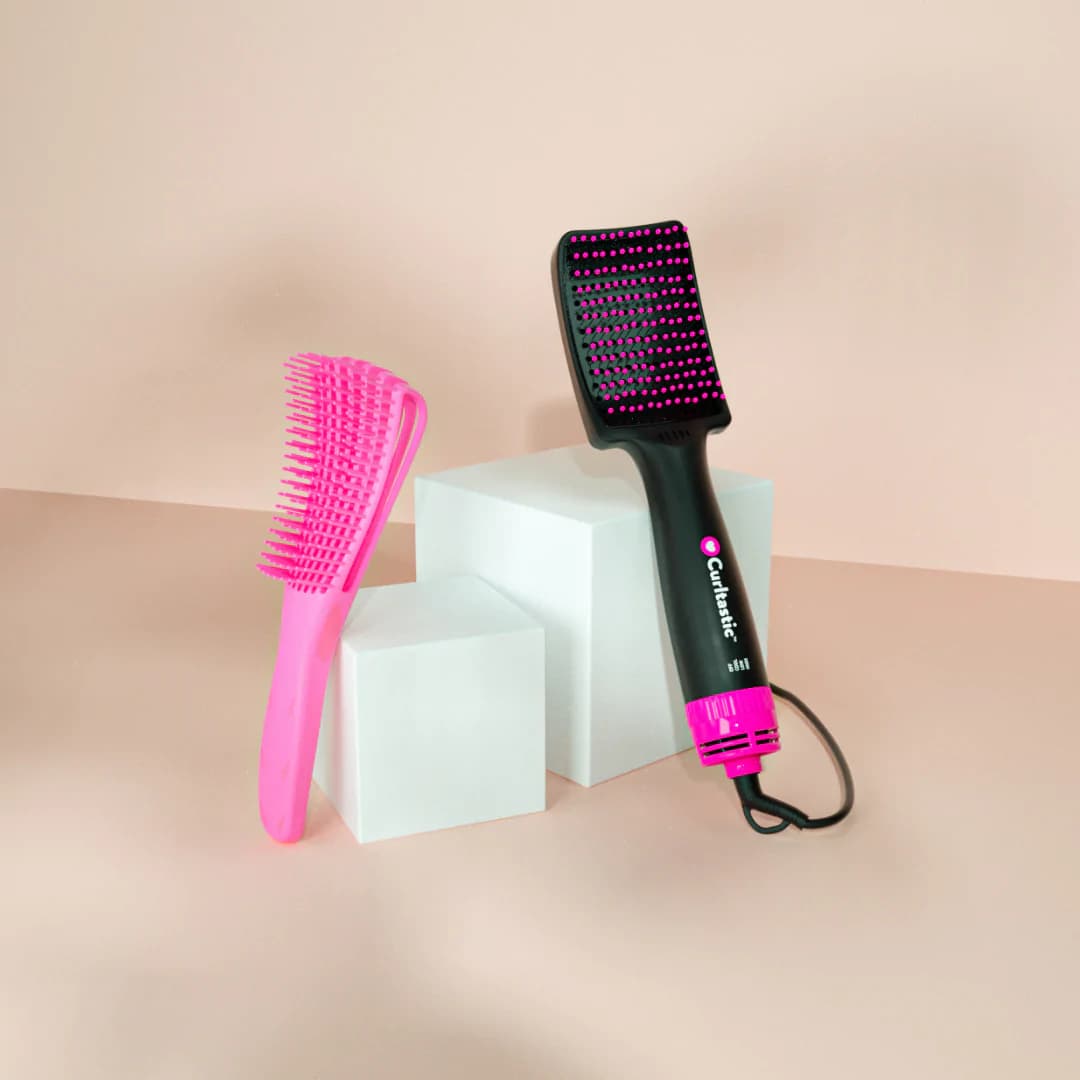
Detangler + Dryer Bundle Pack
No reviews yet
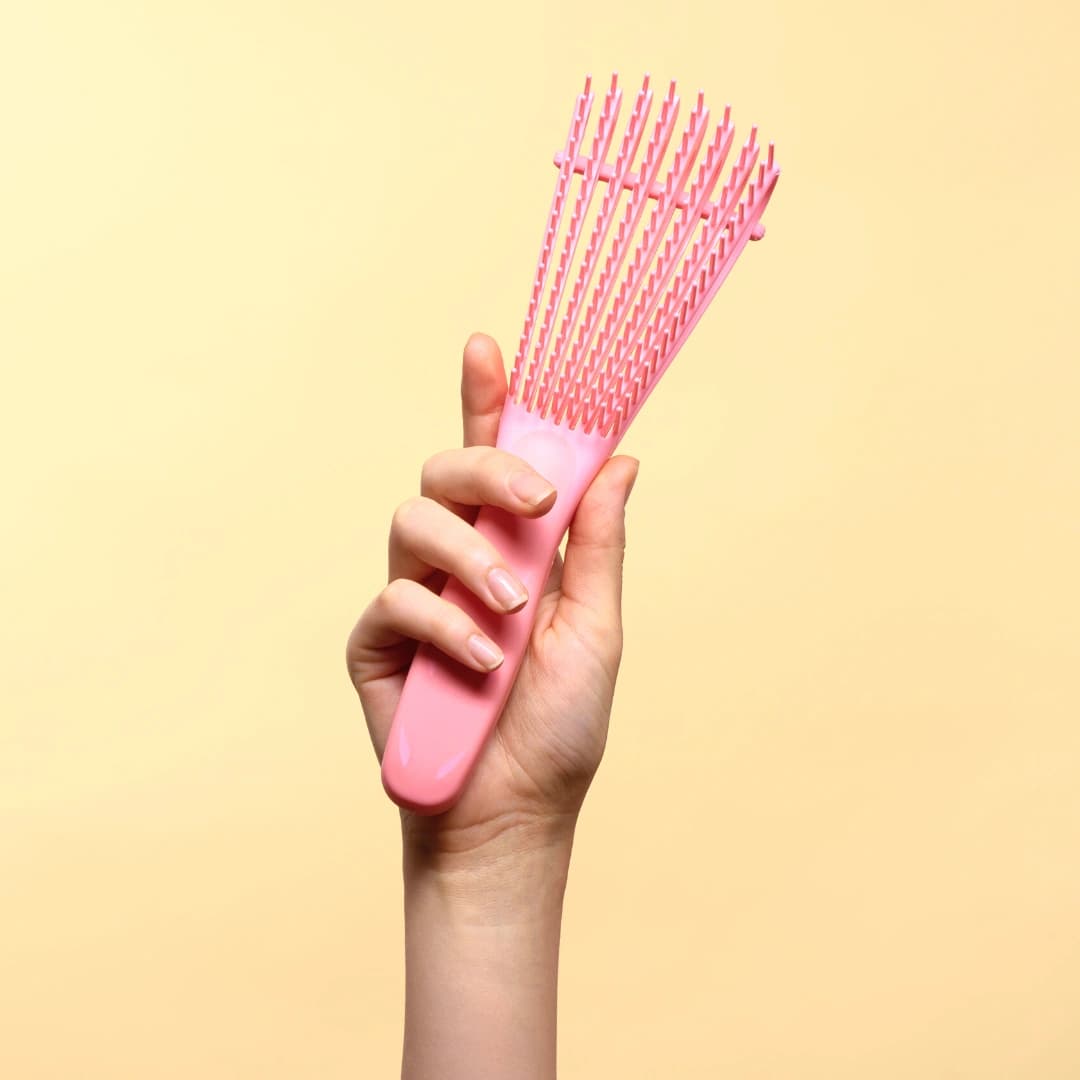
The Wonderbrush™ - Easy Detangler Brush
Read the one that is yours
- 3A hair: big soft loops that flatten under their own weight
- 3B hair: marker-width spirals with real curl memory
- 3C hair: pencil-width spirals, packed close
- 4A hair: the last closed loop before the bends start
- 4B hair: corners instead of curves, and corners take the stress
- 4C hair: maximum shrinkage, minimum visible pattern