Curl pattern
3A — loose spirals
Big soft loops that flatten under their own weight.
3A is the loosest of the curly patterns: a spiral that closes on itself but stays wide, roughly the width of a piece of sidewalk chalk. It holds a shape with almost no help, which is why the trouble with 3A is rarely getting a curl to form. It is keeping the one you already have from being pulled flat.
- Free US shipping over $35No code needed — checkout applies it.
- 60-day money-back guaranteeFull refund, no photos, no restocking fee. US return shipping is on us.
- Every order ships trackedFollow it by email — no account needed.
- Black-owned, family-runFormulated by and for textured hair
- No sulfates, silicones or parabensFull INCI list on every label
How to tell 3A from 2C above it and 3B below it
The line between 2C and 3A is whether the loop closes. A 2C wave travels in a broad S that lies against your head; a 3A curl comes round far enough to meet itself and stands away from the scalp. Look at one strand, dry, with nothing on it. If you can see daylight through the middle of the loop, that is 3A.
The line between 3A and 3B is width, and it is best judged against an object rather than by eye. A 3A spiral is wide enough to slide a piece of chalk or a wine cork through. A 3B ringlet is about the width of a marker pen, and there are visibly more turns packed into the same length of hair.
One warning about testing your own. 3A is the pattern most often mistyped, in both directions, because it is the one most easily flattened. Length adds weight and weight pulls a wide spiral straight. If your ends curl and your crown does not, you are almost certainly not two hair types at once. You are one hair type carrying a load at the roots.
What 3A changes about wash day
Nearly everything about a 3A routine follows from one fact: the individual strands tend to be fine, and a wide spiral has little structural spring with which to resist being weighed down. That makes 3A the one curly pattern where doing less is usually the fix and doing more is usually the cause.
Take product buildup. On a tightly packed coil, residue disappears into the pattern and eventually shows up as dullness. On a loose spiral it shows up inside a day, as hair that has gone limp from the crown down while the ends are still doing their job. The mechanism is not mysterious. You have added mass to a structure that was already close to the limit of what it could hold up.
Heavy oils and butters do the same thing faster. They earn their place on hair that is losing water quickly through a lifted cuticle, and a fine 3A strand generally is not. What you get instead is weight with no benefit to justify it. Condition the lengths and the ends, keep the roots clean, and judge the result the next morning rather than the moment it dries.
The second mechanism worth understanding is friction. Frizz on a loose spiral is far more visible than frizz on a tight one, because there is more exposed length of strand between turns and nothing to hide a lifted cuticle inside. That is why a towel matters here out of all proportion to what it costs: a terry loop catches the cuticle and lifts it further, while a microfiber weave gives it nothing to catch on. Squeeze; never rub.
And detangle wet, with conditioner still in the hair. A fine strand under tension does not stretch far before it snaps, and dry combing on any curly pattern is tension applied with no lubricant present. The comb should be doing the work, not your grip on the hair above it.
A wash day for 3A hair
The order matters more than the products do. Every step here exists to keep weight off the spiral and friction off the cuticle.
What you need: A wide-tooth comb, A microfiber towel, A satin pillowcase or bonnet.
- Cleanse the scalp, not the lengthsWork shampoo into the scalp with your fingertips and let the run-off do the lengths on its way down. The scalp is where oil and product genuinely accumulate. The ends are the oldest hair on your head and the least able to take repeated stripping.
- Condition from the ears downEverything below the ears gets conditioner and the roots get none. This is the step people invert, and it is the single most common reason a 3A crown is flat again by lunchtime.
- Detangle in the shower, ends firstWith conditioner still in and the hair soaking, take a wide-tooth comb through in short passes, starting at the very ends and working upward. Never start at the root: a comb run from the top gathers every knot below it into one large one and then pulls on it.
- Squeeze the water out with microfiberCup a section in a microfiber towel and press. No rubbing and no turban twisting, both of which drag the cuticle in the wrong direction along the whole exposed length of a loose spiral.
- Apply to soaking wet hair, then stop touching itWhatever you use goes on while the hair is still dripping, distributed by hand rather than by a brush. Then leave it alone until it is completely dry. Every touch during drying is a clump broken open, and a broken clump cannot be reassembled without wetting it again.
- Set overnight on satinCotton grips a strand and drags it through a night of movement. Satin and silk do not, which means the pattern you went to bed with is roughly the pattern you wake up with.
Frequently asked questions
What changes for 3A
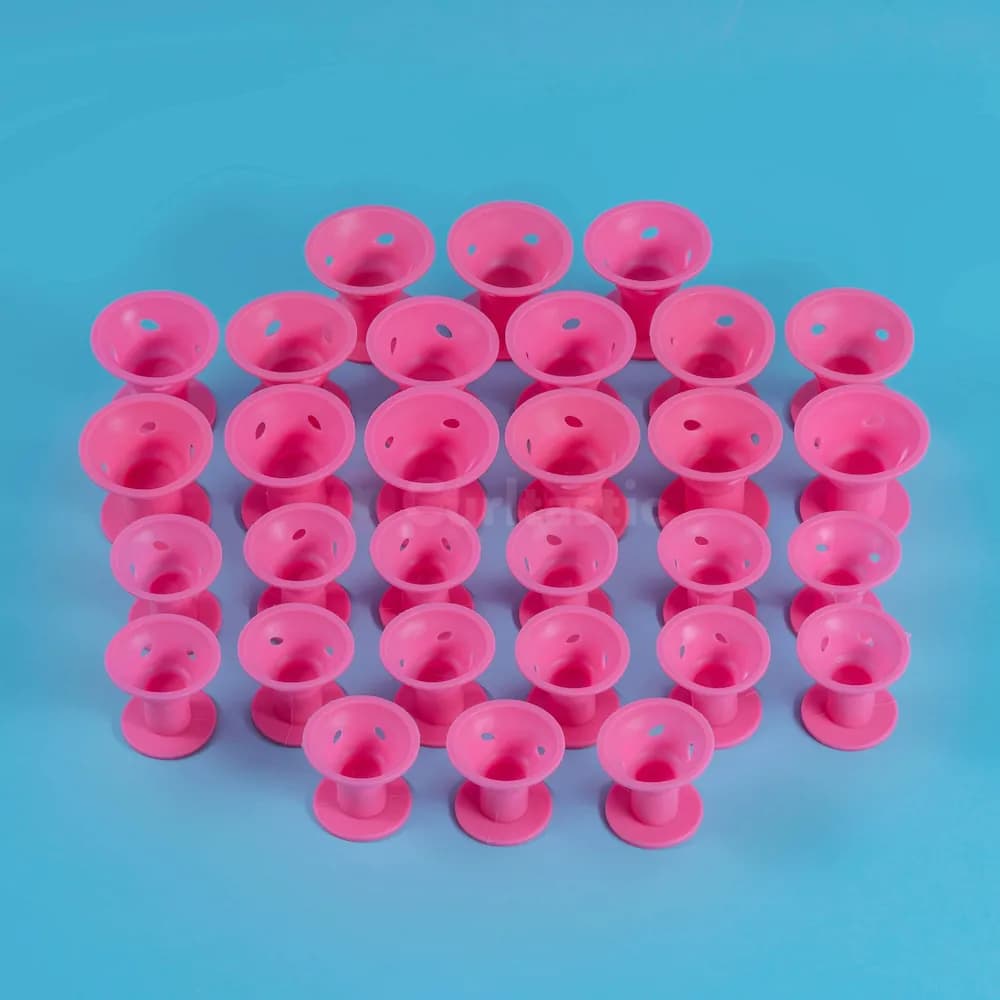
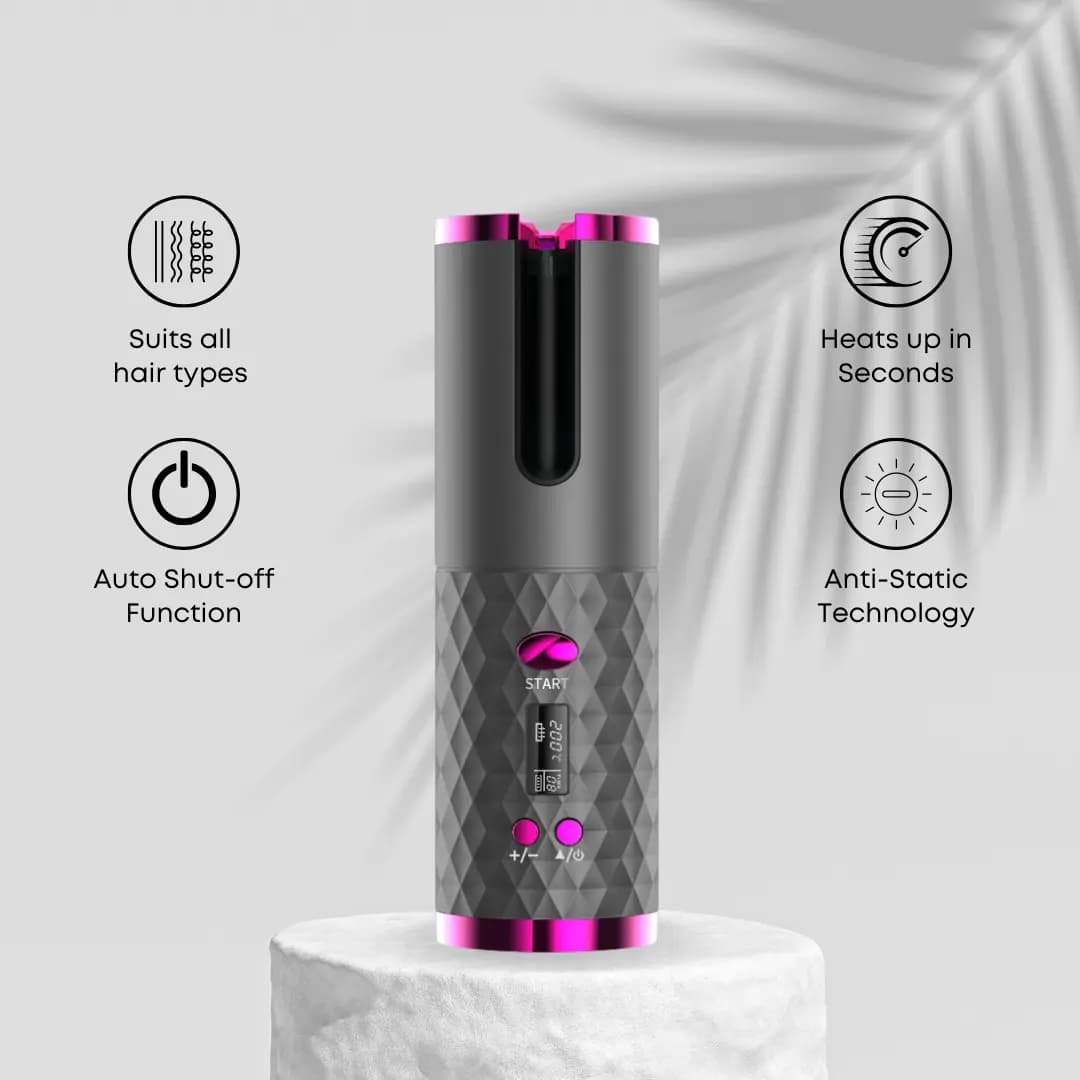
The tools where the pattern actually makes a differenceSo what actually changes for 3A? Not much of this shop, and it would be dishonest to pretend otherwise. Most of what we sell — the combs, the bars, the towel, the silk — works the same way on a loose spiral as it does on a tight coil. Where the pattern does decide the answer is styling: whether you are putting pattern back where weight has taken it out, and whether you do that with heat or without it. The heat-free curlers lead the row below for a reason. On a pattern this easily flattened, the version that costs the strand nothing is the one to try first.
Works for every pattern
View all productsThe rest of the range is shared, and the honest version of that sentence is that it matters more at some patterns than at others rather than differently. A wide-tooth comb is a wide-tooth comb. What changes at 3A is that you will reach for the towel more often than you reach for the comb.
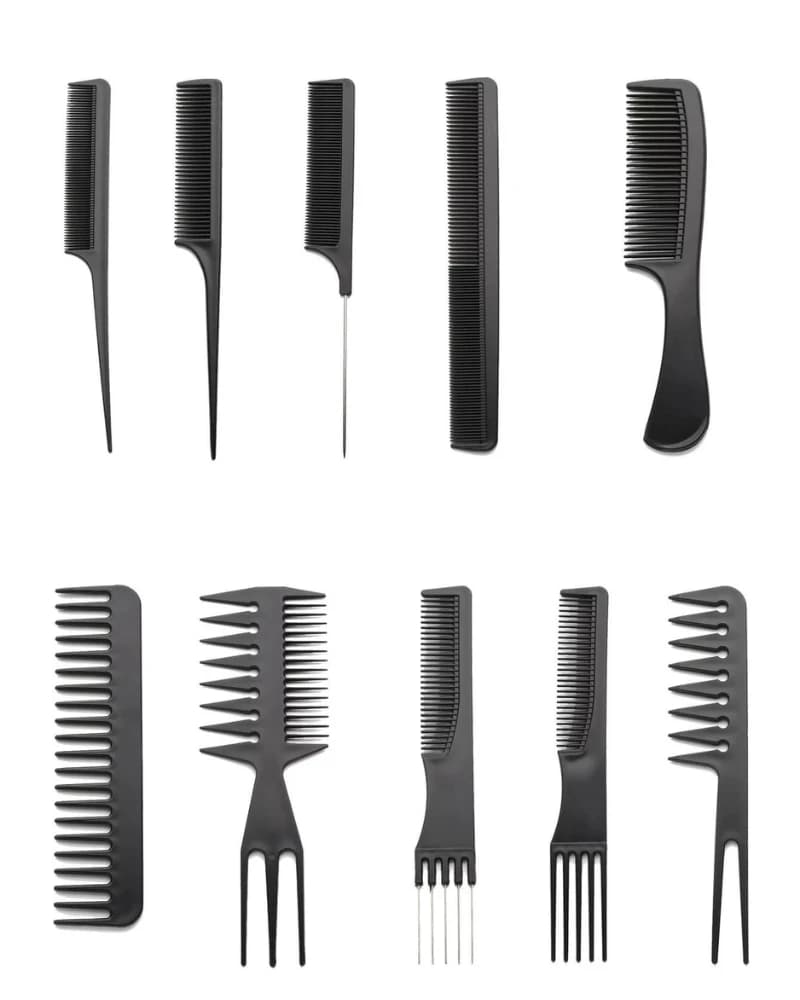
10 Piece Professional Styling Comb Set
No reviews yet
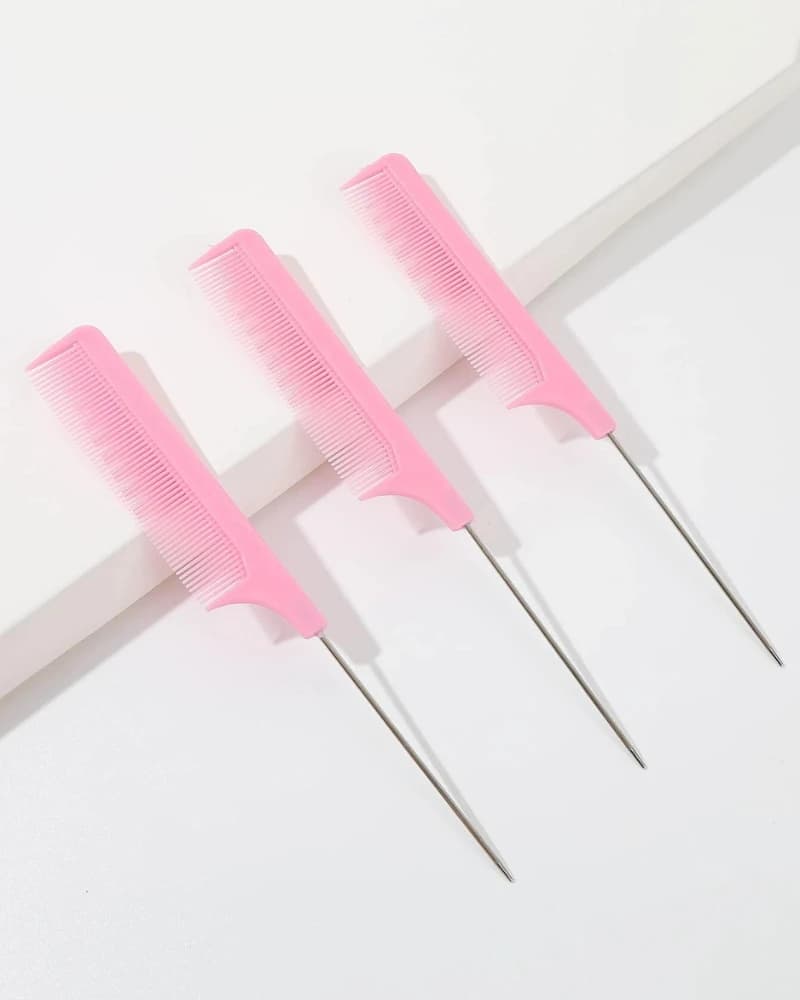
3 Pack Rat Tail Comb Set
No reviews yet
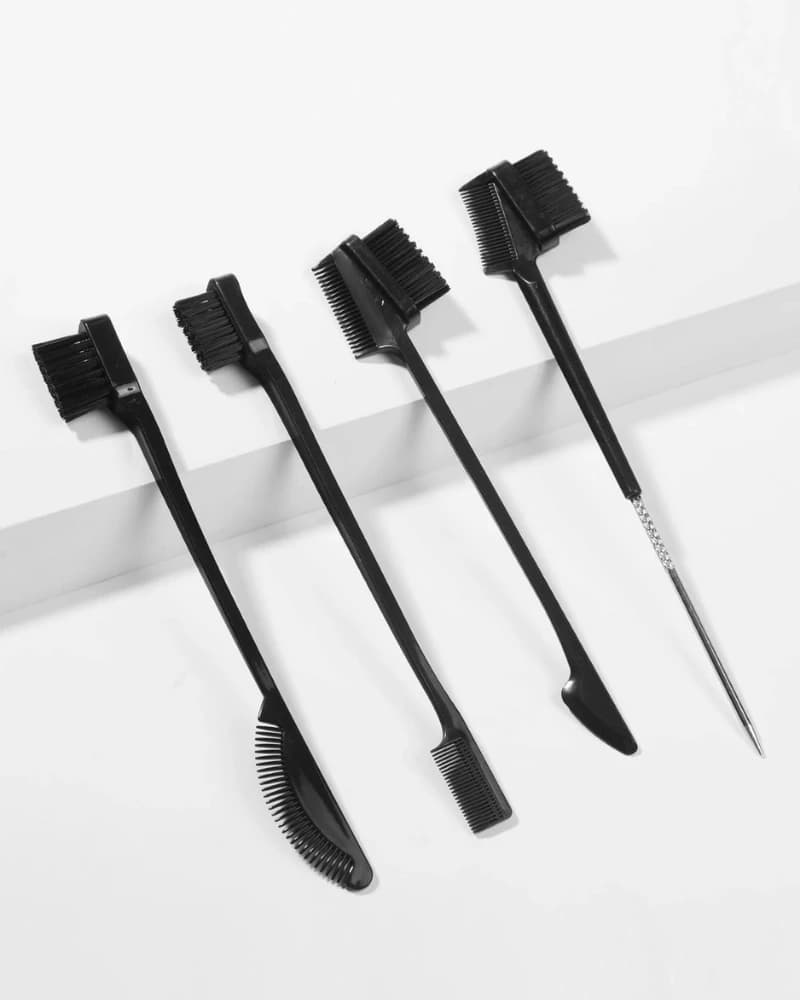
Edge Control Brush Set - 4 Pcs Double Sided
No reviews yet
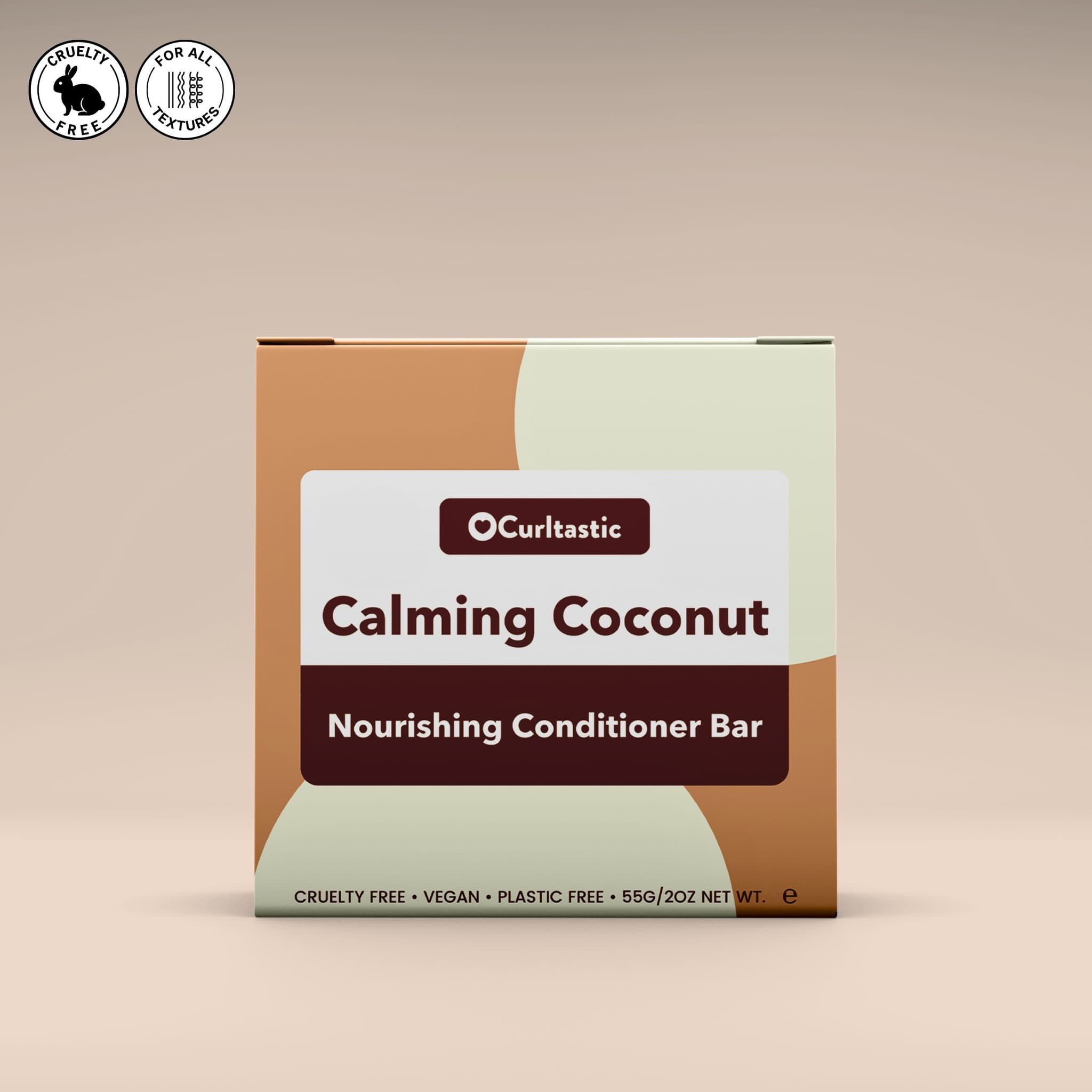
Calming Coconut: Nourishing Conditioner Bar
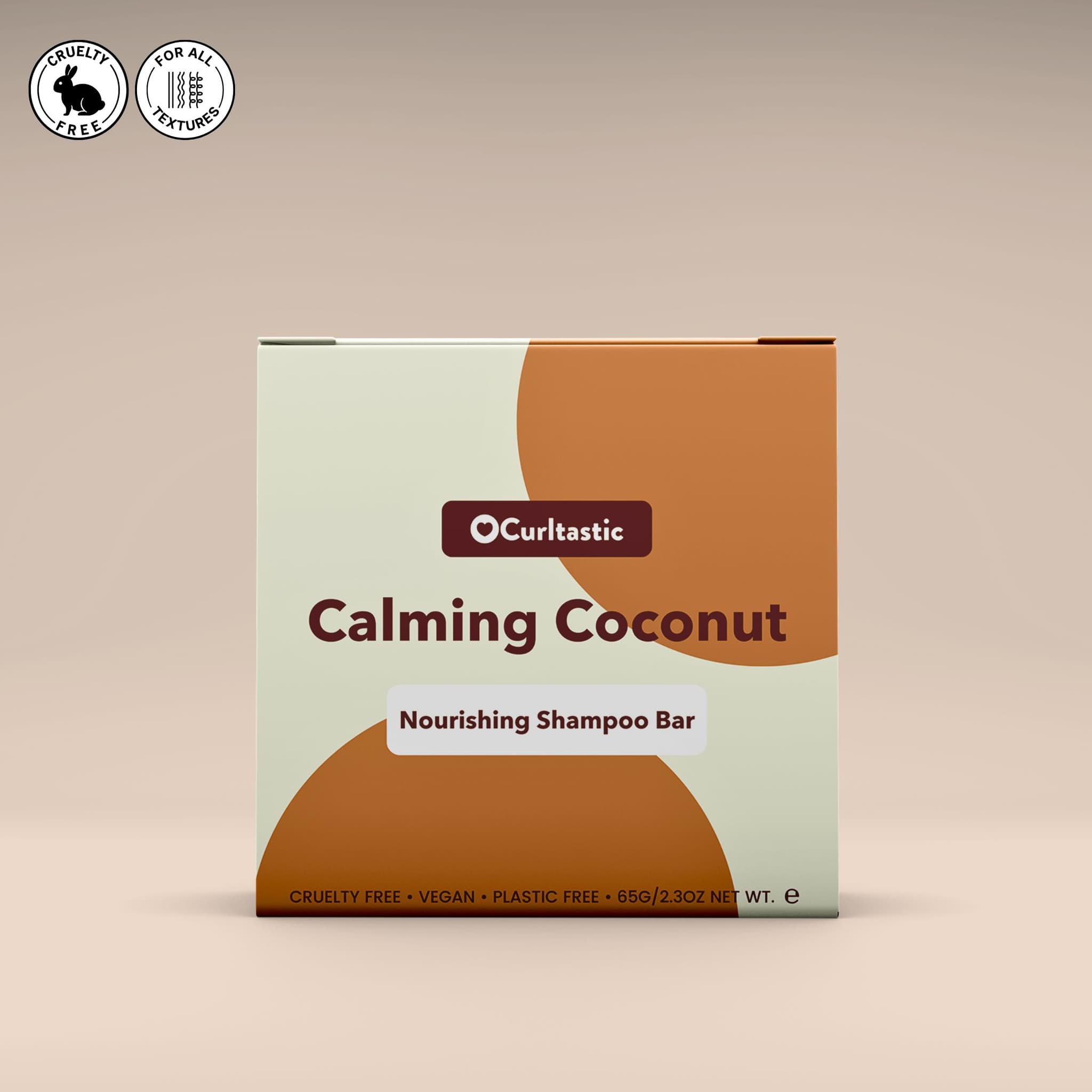
Calming Coconut: Nourishing Shampoo Bar

ColorCraze - Temporary Hair Color
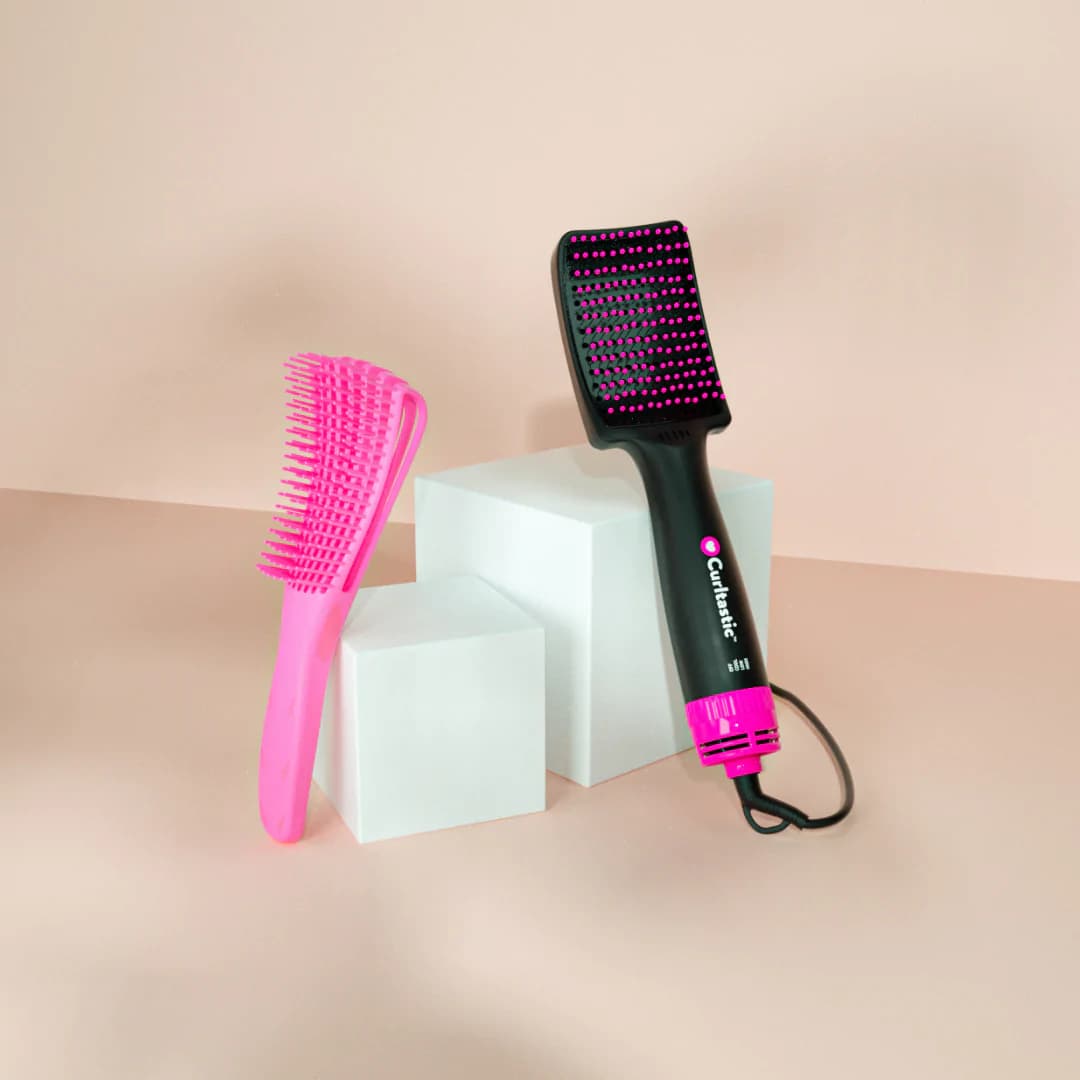
Detangler + Dryer Bundle Pack
No reviews yet