Curl pattern
3B — ringlets
Marker-width spirals with real curl memory.
3B is the middle of the curly range: springy ringlets about the width of a marker pen, tight enough to hold their own shape as they dry and packed closely enough that the head reads full. The pattern itself is rarely the problem here. The shape of the whole head, and where the moisture ends up, usually are.
- Free US shipping over $35No code needed — checkout applies it.
- 60-day money-back guaranteeFull refund, no photos, no restocking fee. US return shipping is on us.
- Every order ships trackedFollow it by email — no account needed.
- Black-owned, family-runFormulated by and for textured hair
- No sulfates, silicones or parabensFull INCI list on every label
How to tell 3B from 3A and 3C
All three type 3 patterns form a closed loop. What separates them is the diameter of that loop and how many turns fit into a given length of hair. Take one dry strand and put a marker pen beside it. Wider than the pen is 3A. About the pen is 3B. Nearer a pencil, with the ringlets packed tightly enough to sit against each other, is 3C.
The other tell is behaviour rather than measurement. A 3B ringlet re-forms as it dries: pull it out straight, let it go, and it travels most of the way back to where it started. That is curl memory, and it is stronger at 3B than at 3A. If your hair comes back only part of the way and then hangs, you are looser than 3B.
3B is also where the silhouette starts giving you away. Because ringlets stack outward rather than hanging down, an unlayered head of 3B tends towards a triangle: narrow at the crown, wide at the ends. If that shape is familiar, you are almost certainly not looking at a product failure.
What 3B changes about wash day
Two forces drive a 3B routine and they pull in opposite directions. The pattern has enough spring to hold definition without much help, so it does not want heavy products. But the spiral is tight enough that sebum from the scalp struggles to travel down it, so the mid-lengths and ends usually are drier than the roots — and the more turns a strand has, the further oil has to travel to reach the end of it.
That is the entire argument for washing the scalp and conditioning the lengths, and at 3B it stops being a nicety. An oily root and a parched end are not two problems. They are one problem, which is that the geometry of your hair has interrupted a delivery system straight hair takes for granted.
The second mechanism is drying. A ringlet takes its final shape in the last stretch of drying, when water leaving the strand pulls the clump tight. Anything that disturbs the clump inside that window — a hand, a towel, a hood pulled over your head — sets the shape open instead of closed, and you cannot fix it afterwards without wetting the section again. That is why leaving it alone is a technique rather than a slogan.
The triangle silhouette has a mechanical cause too, and it is worth naming because people spend money on the wrong fix. The crown carries the weight of everything hanging below it and flattens. The ends carry nothing and expand. No product solves that. Layers do, and so does drying the roots lifted rather than lying flat.
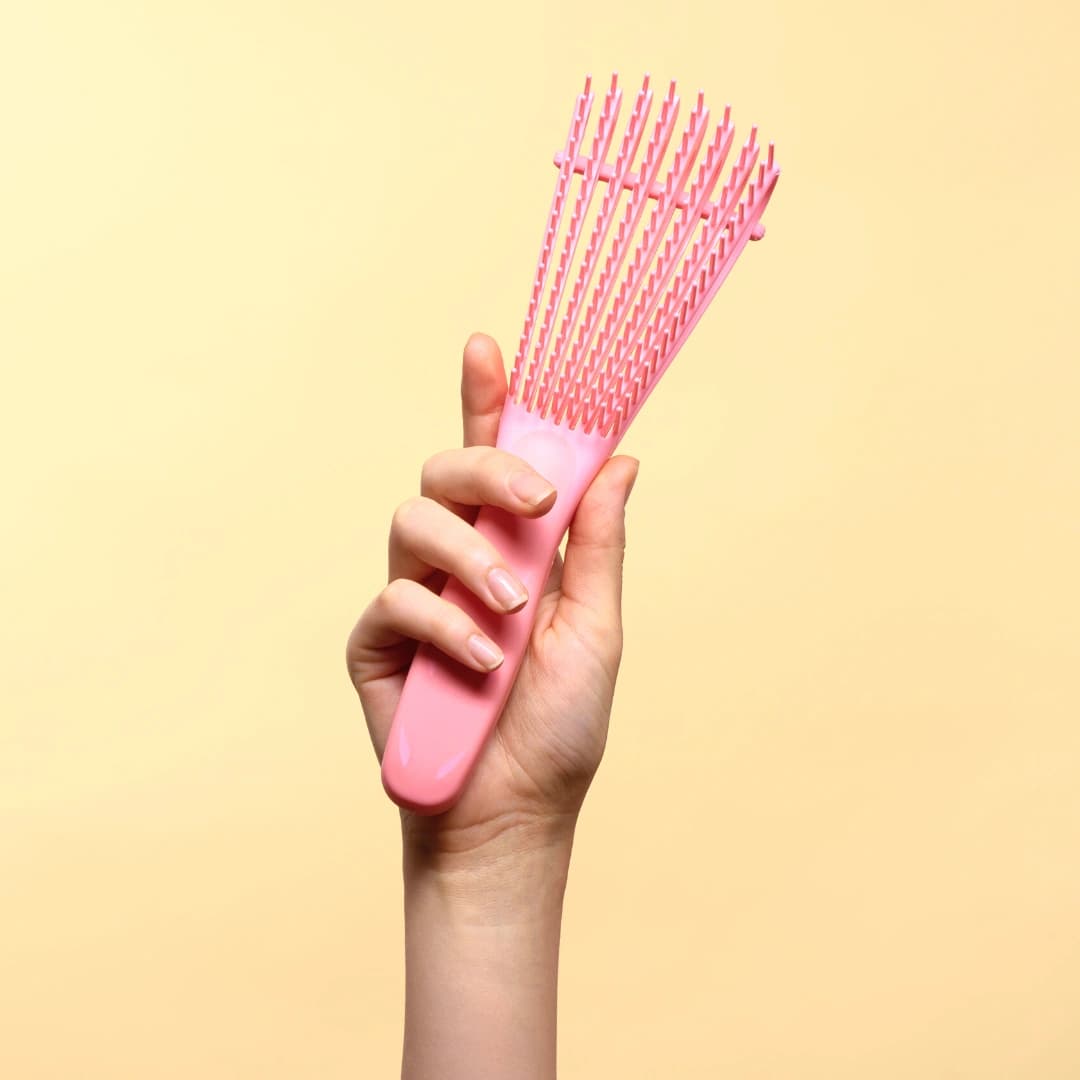
Frizz at 3B is usually the outer strands of a clump escaping rather than the cuticle being roughed up. Which means the answer lives in how the hair was dried and how much it was handled, not in a smoothing product. It is also why a vented brush beats a solid one under a dryer: air reaching the inside of a section shortens the total time the hair spends under heat.
A wash day for 3B ringlets
Four sections, one pass each, and hands off for the whole second half of drying.
What you need: A wide-tooth comb, Four sectioning clips, A microfiber towel, A satin bonnet or pillowcase.
- Split into four before you get inTwo at the front, two at the back, clipped. Four sections is not a fussy ritual — it is the difference between conditioner reaching every ringlet and conditioner reaching the outside of a clump.
- Shampoo the scalp onlyFingertips rather than nails, in small circles against the skin. The lengths are cleaned by the rinse on its way down. Every ringlet you lather directly is a ringlet you have opened up and will have to re-form.
- Conditioner through the lengths, then detangle in itCoat from the ears down, then work a wide-tooth comb through that section from the ends upward while the conditioner is still in. Conditioner is a lubricant before it is a treatment, and combing without one is simply dragging.
- Rinse cool, one section at a timeCool water is not magic, but hot water swells the strand and leaves the cuticle more open, which reads as frizz once it dries. Rinse each section and clip it back rather than tipping your whole head under at once.
- Squeeze with microfiber, apply while drippingPress the water out of each section with a microfiber towel, with no rubbing, and put whatever you are using on while the hair is still visibly wet. Product applied to merely damp hair sits on the surface of a clump instead of running through it.
- Then leave it entirely aloneNo checking, no scrunching, no fingers. If you need to speed it up, use a diffuser on low and lift each section at the root rather than pushing the ends around.
- Sleep on satin, loosely gatheredRinglets crushed under the weight of your head for eight hours come back flat at the crown. A loose gather on top of the head, on satin, protects both the pattern and the volume.
Frequently asked questions
What changes for 3B
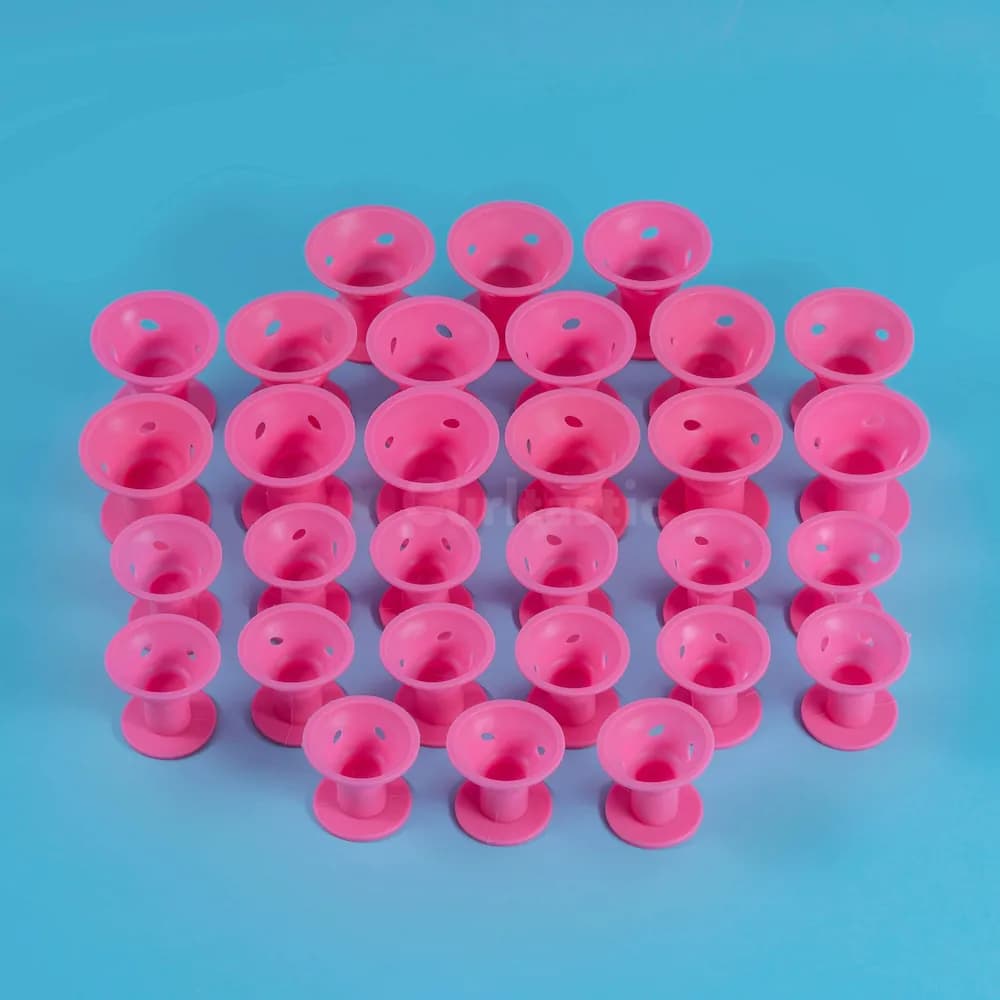
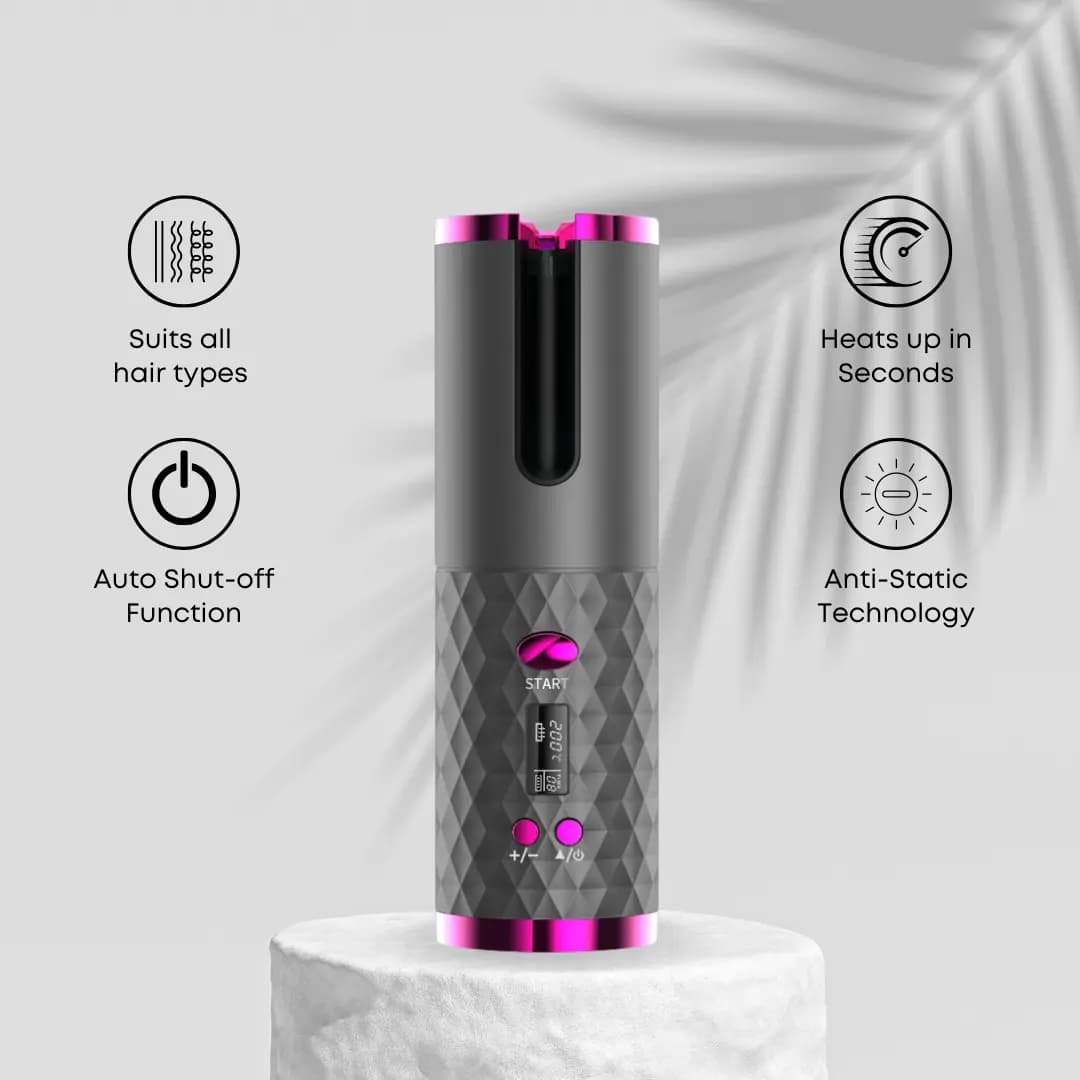
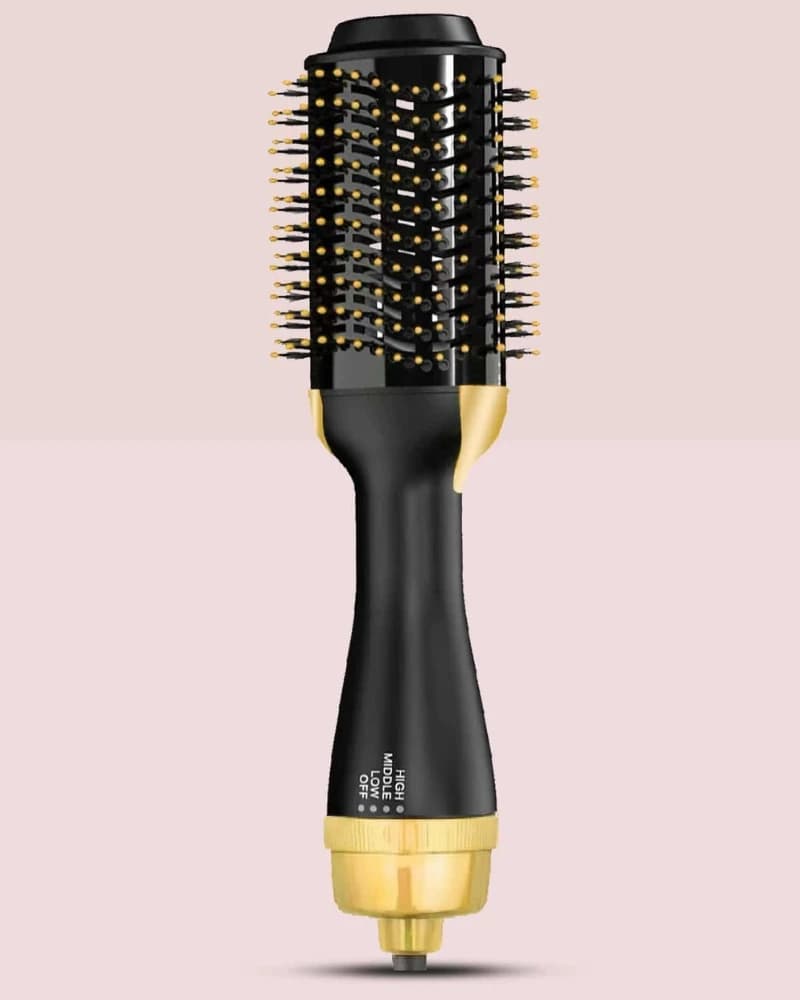
The tools where the pattern actually makes a differenceThen the tools. Twenty-five of the thirty-two things in this shop do the same job at 3B as they do at 4C, and we are not going to relabel a comb as a 3B comb. What genuinely changes with the pattern is styling: at 3B the useful tool is one that sets or dries a ringlet without flattening the roots or opening a clump. That is why the heat-free curlers come first in the row below and the dryer brush after them — a clump that never gets opened does not need re-forming.
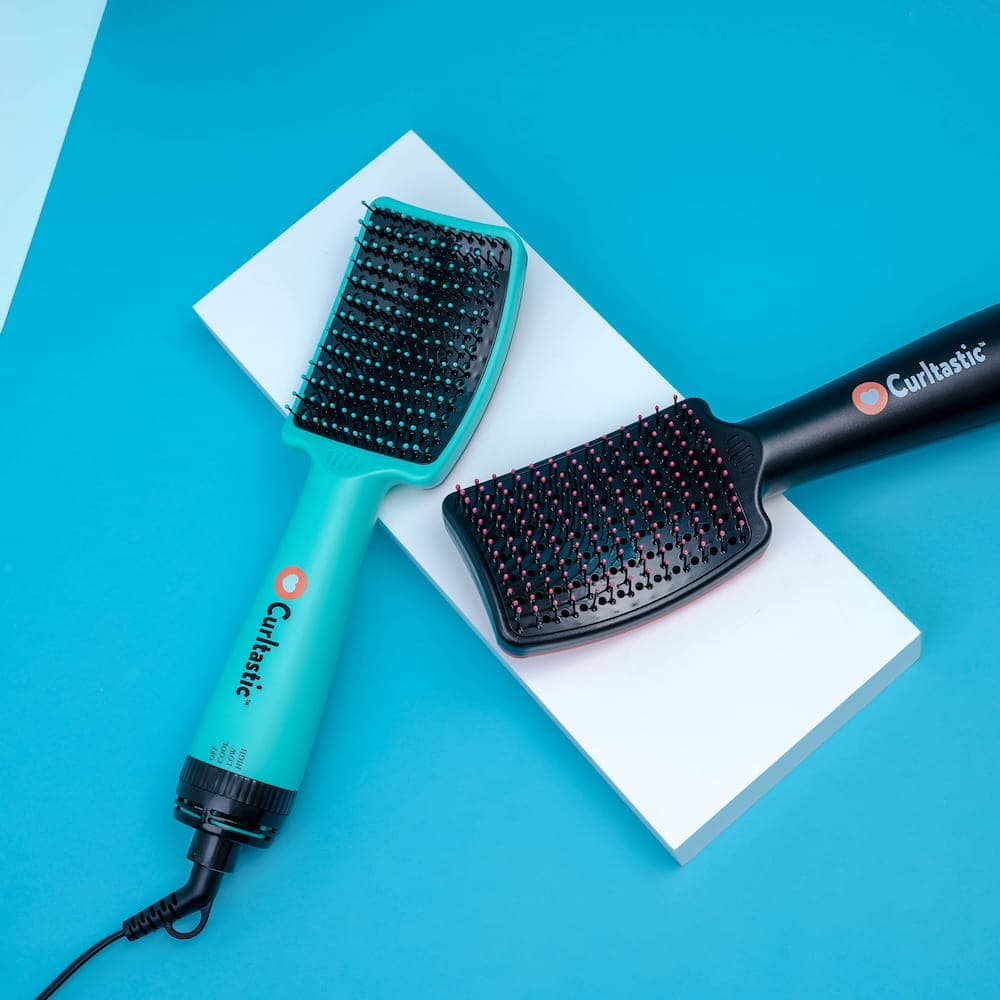
Works for every pattern
View all productsEverything here is shared across the chart. Bars, brushes, combs and silk behave the same at 3B as anywhere else on it — worth saying out loud, because the alternative is relabelling a comb and charging you for the label.
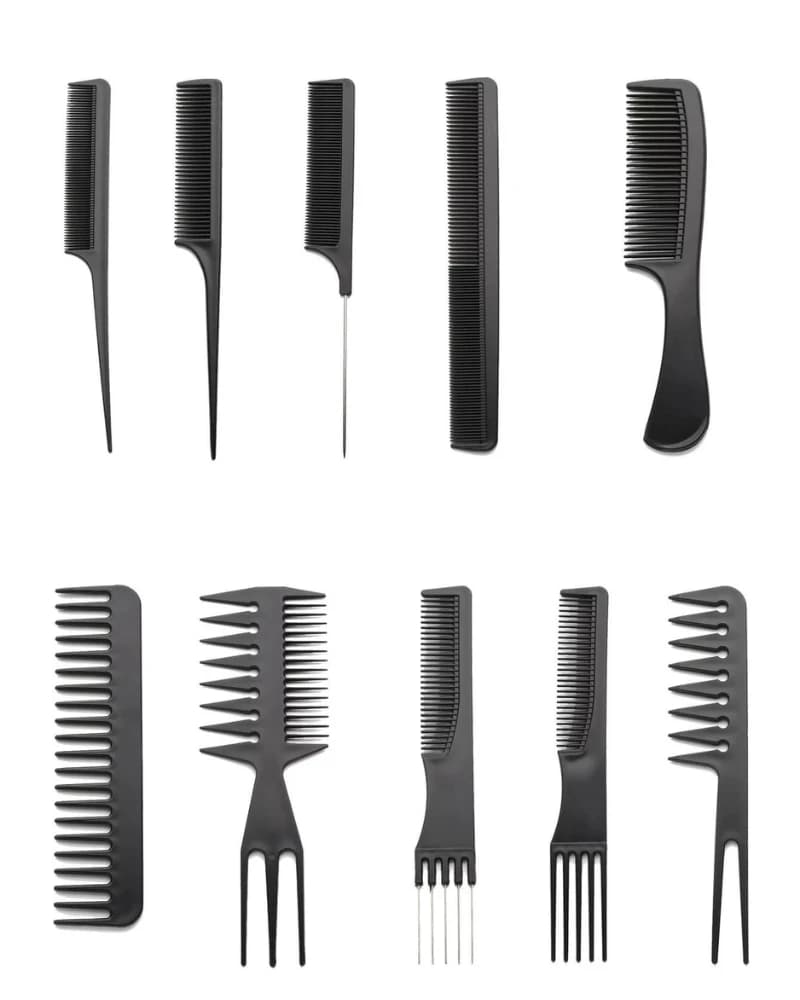
10 Piece Professional Styling Comb Set
No reviews yet
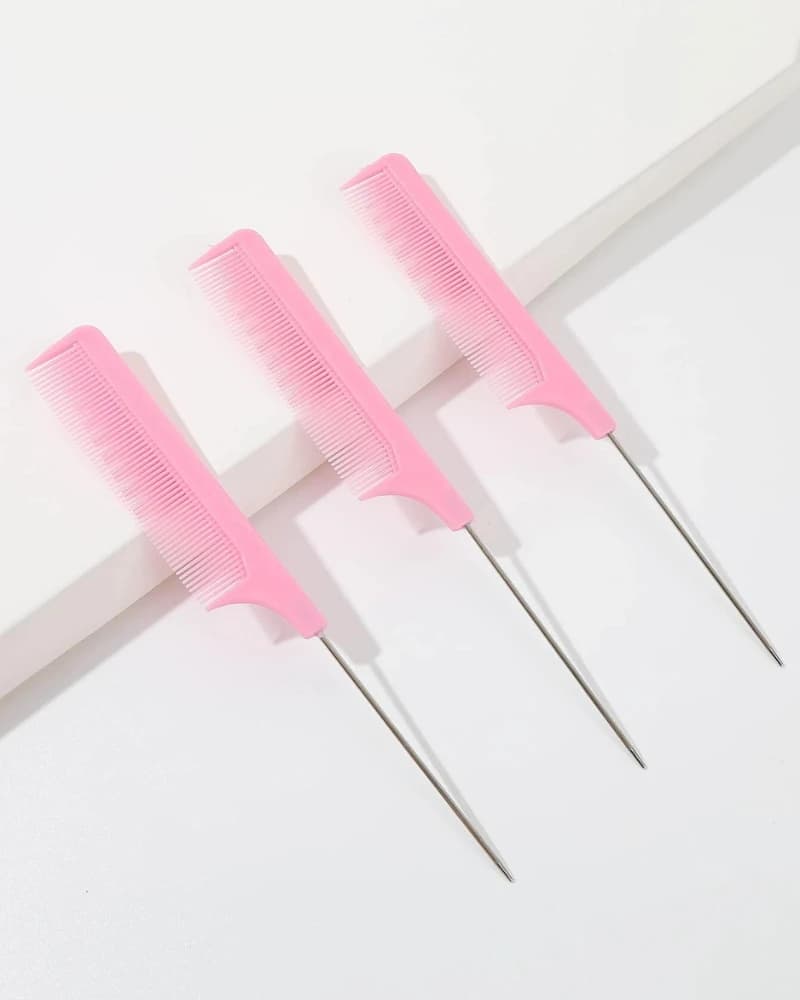
3 Pack Rat Tail Comb Set
No reviews yet
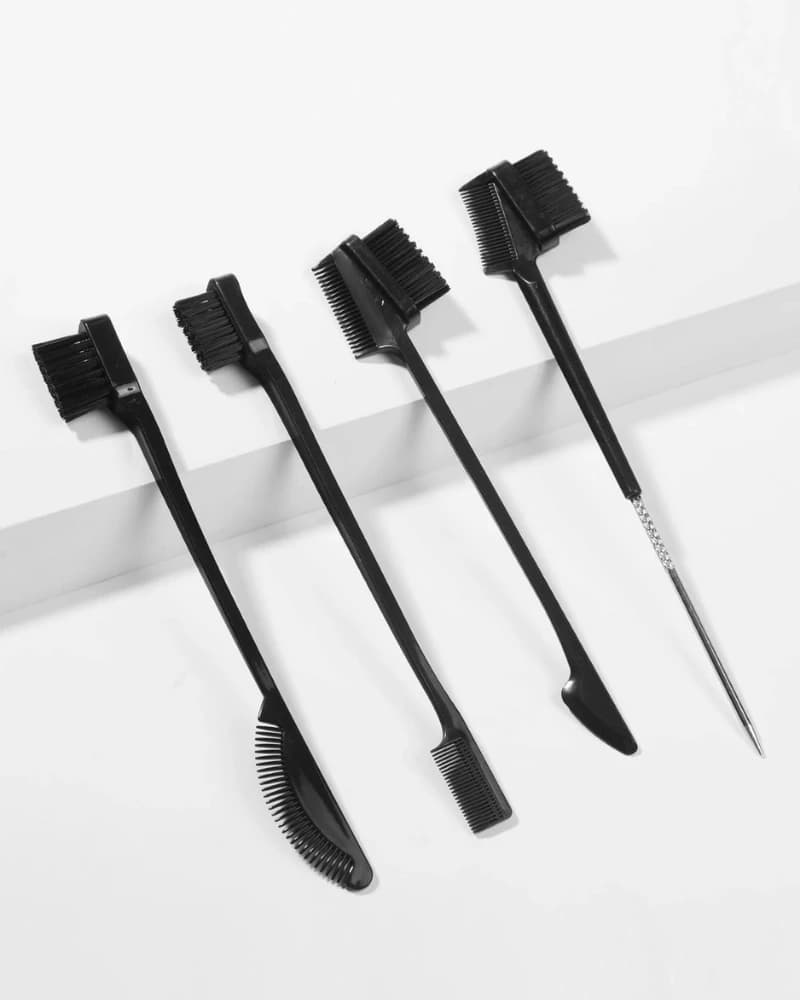
Edge Control Brush Set - 4 Pcs Double Sided
No reviews yet
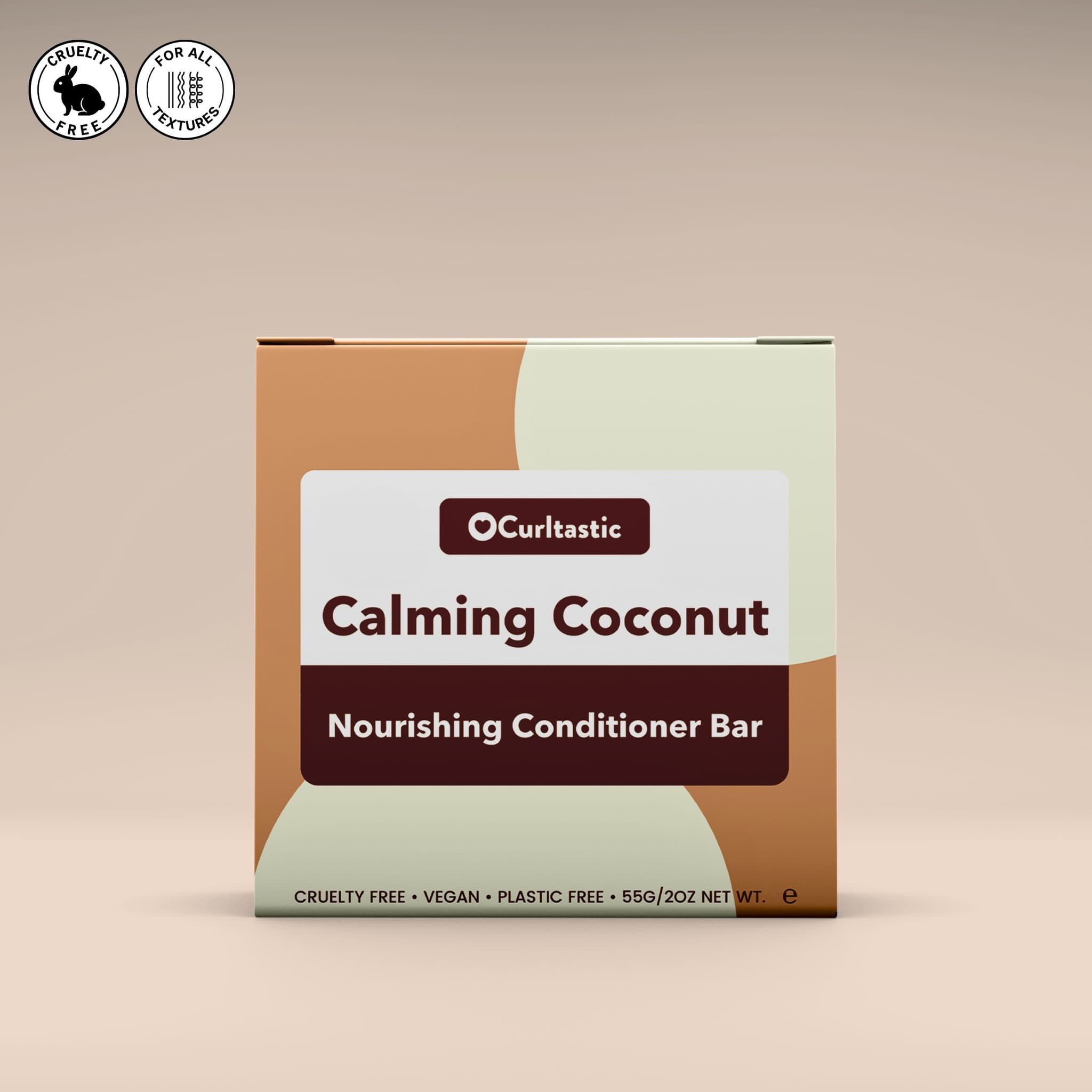
Calming Coconut: Nourishing Conditioner Bar
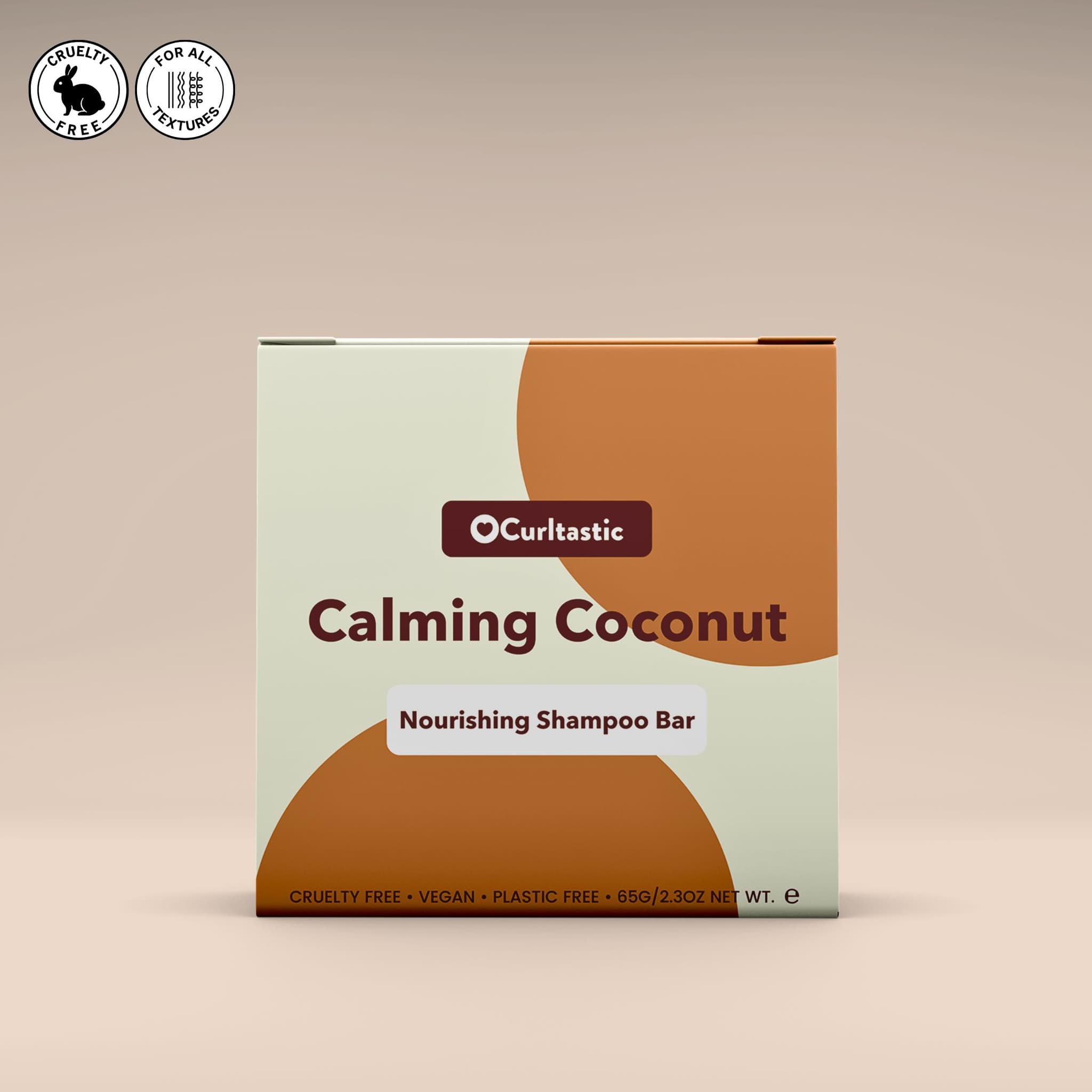
Calming Coconut: Nourishing Shampoo Bar

ColorCraze - Temporary Hair Color
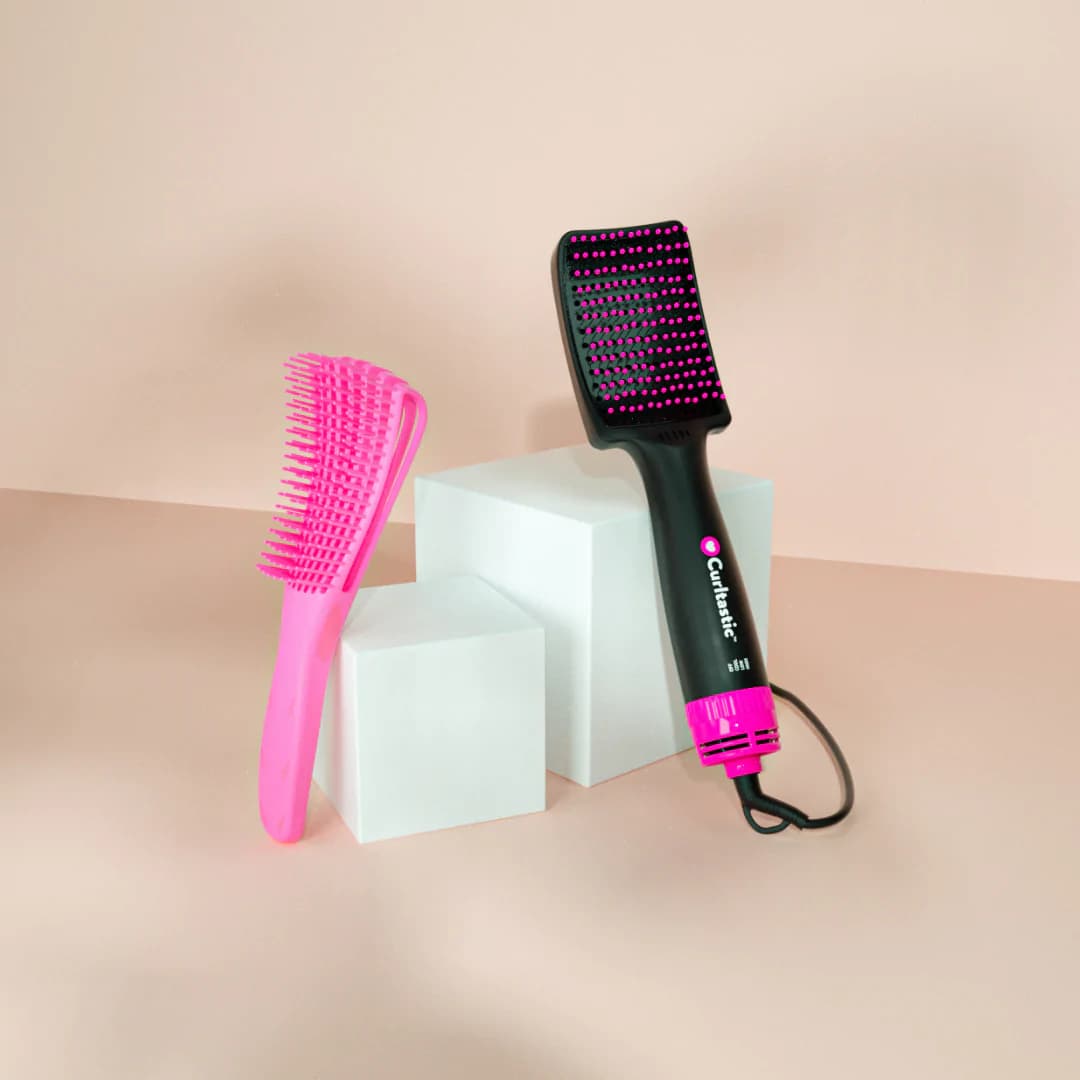
Detangler + Dryer Bundle Pack
No reviews yet